中文
中文How to Choose a Custom Challenge Coin Maker
Compare design support, materials, 2D and 3D relief, plating, pricing, samples, quality control, packaging, and delivery before selecting a manufacturing partner.
What Should You Look for in a Custom Challenge Coin Maker?
A reliable custom challenge coin maker should provide production-ready artwork, suitable 2D and 3D manufacturing options, a transparent quotation, pre-production approval, documented quality checks, secure packaging, and realistic delivery planning. Compare manufacturing capability and communication—not unit price alone—before selecting a supplier.
A challenge coin can represent service, membership, achievement, corporate culture, or an important event. Its value depends on how well the finished metal product communicates that meaning. Artwork, relief, lettering, plating, enamel, edge treatment, weight, and presentation must work together.
| Evaluation area | What to look for | Potential warning sign |
|---|---|---|
| Artwork support | A complete proof with both sides, dimensions, relief, colors, plating, edge, and packaging notes | A decorative mockup without manufacturing specifications |
| Manufacturing advice | A clear reason for the proposed material, tooling, relief, and finish | The same process recommended for every design |
| Quotation | Scope clearly identifies tooling, sampling, finish, packaging, and shipping | A low unit price with important items left undefined |
| Quality control | Specific checks for artwork, surface, dimensions, color, quantity, and packaging | Only a general “high quality” statement |
| Schedule | Artwork, sample, production, packing, and transit considered separately | An unrealistic fixed promise before reviewing the project |
What Does a Custom Challenge Coin Maker Do?
A custom challenge coin maker turns a logo, sketch, image, or written concept into a metal product that can be manufactured consistently. Depending on the project, this can involve artwork engineering, tooling, die striking or casting, polishing, plating, enamel filling, printing, engraving, inspection, and packaging.
Nearly every visible part of a coin can be specified: the obverse, reverse, outline, diameter, thickness, base metal, 2D or 3D relief, plating, enamel colors, edge pattern, edge text, serial number, cutout, functional feature, and presentation packaging.
Manufacturer vs. Reseller
A manufacturer normally participates directly in artwork review and production control. A reseller may manage communication while placing production with another facility. This distinction alone does not determine quality. Buyers should instead ask who reviews manufacturability, who controls tooling and finishing, who conducts inspection, and who is responsible if the order does not match the approved specifications.
Define the Purpose Before Requesting a Quote
The intended use affects the most appropriate size, relief, finish, packaging, budget, and delivery plan. A recognition coin, a promotional giveaway, and a limited-edition collectible should not automatically use the same specifications.
Military and Veteran Organizations
Unit identity, service, deployment, achievement, and remembrance are common themes. Names, mottos, dates, emblems, and mission-related symbols must remain clear at the finished size. The customer is responsible for confirming authorization to use protected insignia or artwork.
Police, Firefighter, and Emergency Services
Coins may commemorate service, honor members, support fundraising, mark retirement, or strengthen team identity. Clear emblems, durable surfaces, and dignified presentation are often priorities.
Corporate and Brand Programs
Corporate coins can support employee recognition, anniversaries, sales awards, executive gifts, conferences, product launches, and brand collections. Logo proportions, corporate colors, company names, and arrival dates require careful approval.
Schools, Clubs, and Nonprofits
Membership, competitions, graduation, fundraising, community events, and milestones can all be represented by a custom coin. The design should communicate the organization’s identity without overloading a limited surface.
Retail and Limited Editions
Collectible projects may justify two-sided artwork, individual numbering, specialty plating, 3D relief, custom edge work, and display packaging. Define the edition size and numbering sequence before production.
Evaluate the Maker’s Design and Artwork Support
Many buyers begin without production-ready artwork. A capable supplier should explain what can be retained, what must be simplified, and which process is best suited to the concept.
Files You Can Use as a Starting Point
Editable vector formats such as AI, EPS, SVG, and vector PDF are usually preferred because paths, lettering, dimensions, and color areas can be adjusted accurately. PSD, PNG, JPG, a hand-drawn sketch, a reference product, or a written brief can also be used when redrawing is required.
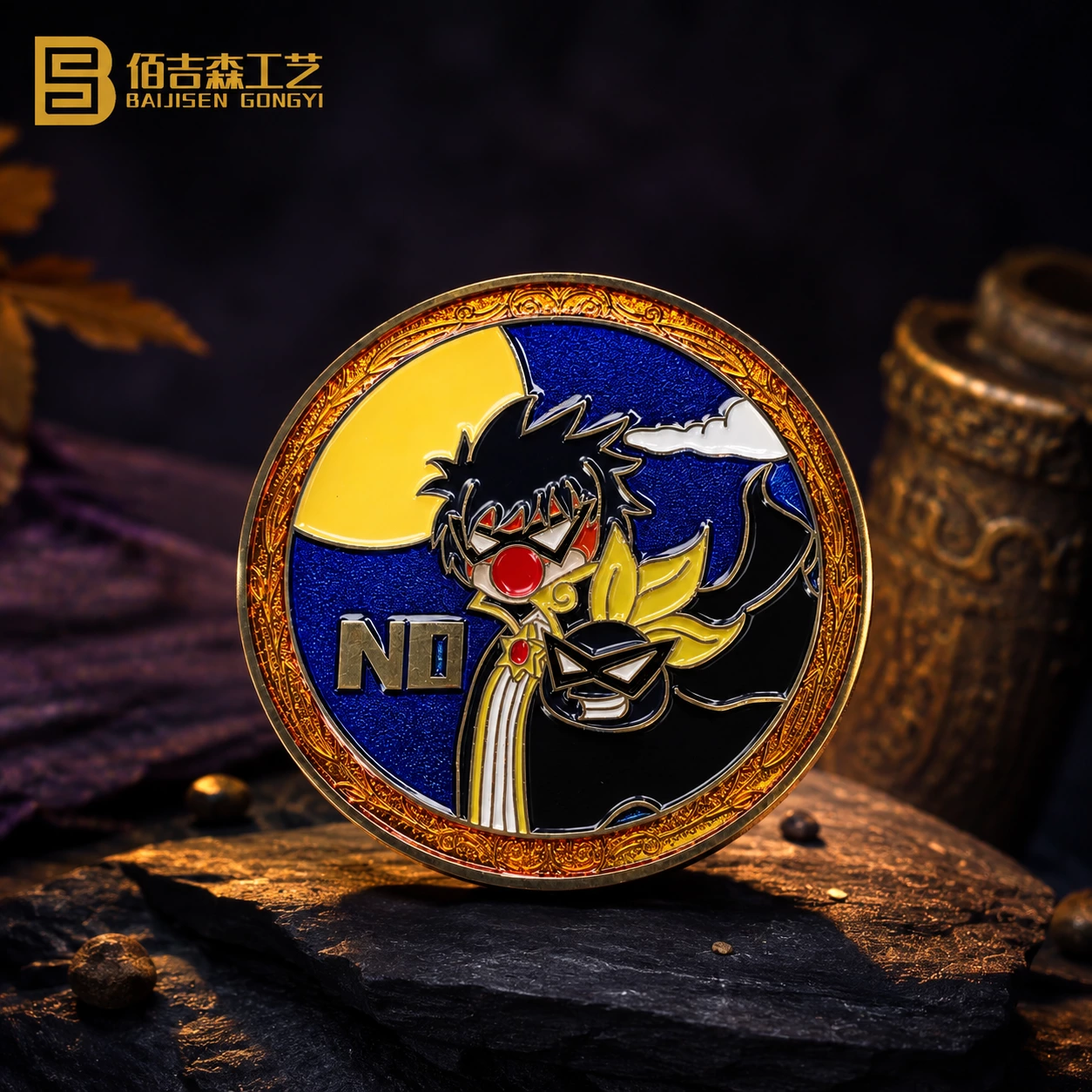
Before ordering, confirm whether artwork preparation is included, whether complex redrawing creates an additional charge, and how design revisions are handled.
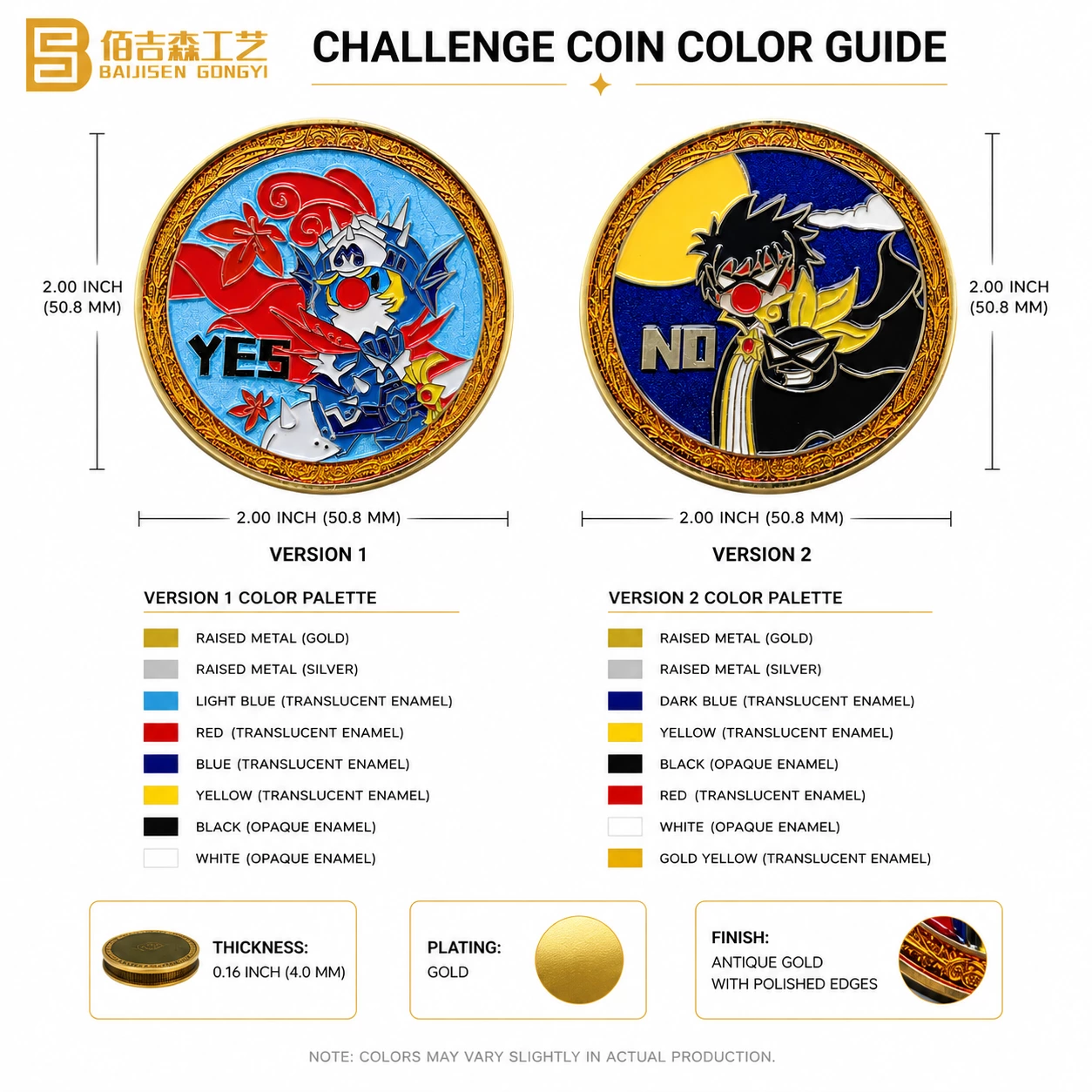
What a Production Proof Should Include
- Obverse artwork
- Reverse artwork
- Diameter or width and height
- Thickness
- Base material
- 2D and 3D areas
- Plating finish
- Enamel or printed colors
- Pantone references when required
- Lettering and dates
- Edge pattern or edge text
- Serial-number location
- Cutouts or moving parts
- Packaging instructions
What to Check Before Approval
Review spelling, capitalization, names, dates, numbers, logo proportions, front-and-back orientation, edge-text direction, Pantone references, plating, dimensions, thickness, and the intended relief. Changes after tooling or production begins can affect both cost and schedule.
Compare Materials and Manufacturing Methods
The best material and forming process depend on the design. A professional recommendation should be tied to the artwork, shape, depth, size, finish, and quantity—not to a generic claim that one metal is always superior.
Zinc Alloy
Zinc alloy is commonly considered for die-cast structures, complex outlines, internal cutouts, special edges, and dimensional forms. Suitability should be confirmed against the required thickness and finish.
Brass, Copper, Iron, and Other Metals
Different metals can support die striking or other forming methods. Material selection affects forming behavior, weight, surface preparation, cost, and compatible finishes. Ask the supplier to explain why a particular base metal is appropriate for your coin.
Die Struck vs. Die Cast
| Comparison | Die struck | Die cast |
|---|---|---|
| Basic method | A die presses the design into a metal blank | Molten metal forms the part inside a mold |
| Often considered for | Clear relief and relatively regular profiles | Complex shapes, cutouts, and dimensional structures |
| Design character | Traditional, crisp raised and recessed metal | Greater flexibility for certain complex forms |
| Final decision | Must follow an artwork and production review | |
For a detailed production overview, see Baijisen’s guide to how custom challenge coins are made.
Choose Between 2D and 3D Challenge Coins
What Is a 2D Challenge Coin?
A 2D design normally uses defined raised and recessed planes. Logos, lettering, borders, and enamel areas can be separated clearly, making this approach suitable for corporate marks, unit emblems, commemorative wording, and traditional badge-style artwork.
What Is a 3D Challenge Coin?
A 3D design uses gradual changes in height to create sculpted depth. It is often considered for portraits, animals, buildings, sculptures, and other subjects where form and volume are central to the design. The apparent shading comes from physical relief rather than flat color alone.
Can 2D and 3D Be Combined?
Yes. A portrait may use 3D relief while surrounding text stays in clear 2D planes; a building may be sculpted against a flat enamel background; or a dimensional centerpiece may be combined with an easy-to-read outer ring. A mixed approach can balance visual depth with legibility.
Select the Right Size, Thickness, and Shape
A larger coin can carry more lettering, colors, edge detail, and sculpted relief, but it also changes weight, material use, packaging space, and freight. The smallest possible size is not always the most economical choice if it makes the design difficult to manufacture or read.
Small, Medium, and Large Coins
Compact coins suit simple logos and limited wording. Medium formats often balance detail, handling, and presentation for corporate and organizational programs. Larger formats provide space for complex artwork or deeper relief but require closer review of weight and packaging.
Why Thickness Matters
Thickness influences weight, hand feel, available relief, edge text, patterned edges, packaging, freight, and price. If the project requires extensive edge text, deep 3D relief, or a particular cut treatment, confirm thickness during artwork development.
Round vs. Custom-Shaped Coins
Round coins provide a traditional structure for two-sided emblems and circular text. Custom outlines can follow shields, buildings, animals, mascots, logos, or functional shapes. Extremely thin points, narrow connections, and intricate internal cutouts may need adjustment for strength and production stability.
Compare Plating and Metal Finishes
Plating colors all exposed metal and establishes the overall visual tone of the coin. The same enamel palette can appear different beside gold, silver, black nickel, or an antique finish.
| Finish | Visual character | Common design direction |
|---|---|---|
| Gold | Warm, formal, and premium | Recognition, anniversaries, executive gifts, and commemorative themes |
| Silver or nickel | Clean, cool, and modern | Corporate, technology, police, firefighter, and contemporary artwork |
| Antique gold, silver, brass, or copper | Darkened recesses emphasize relief | Military, historical, heritage, and sculpted designs |
| Black nickel | Dark outlines and strong contrast | Modern branding, vivid enamel, and collectible designs |
| Two-tone | Contrasting metal colors | Projects requiring additional visual separation, subject to design review |
A digital proof cannot reproduce every reflection or viewing condition. When the finish is critical, discuss physical sampling and acceptable reference standards before mass production.
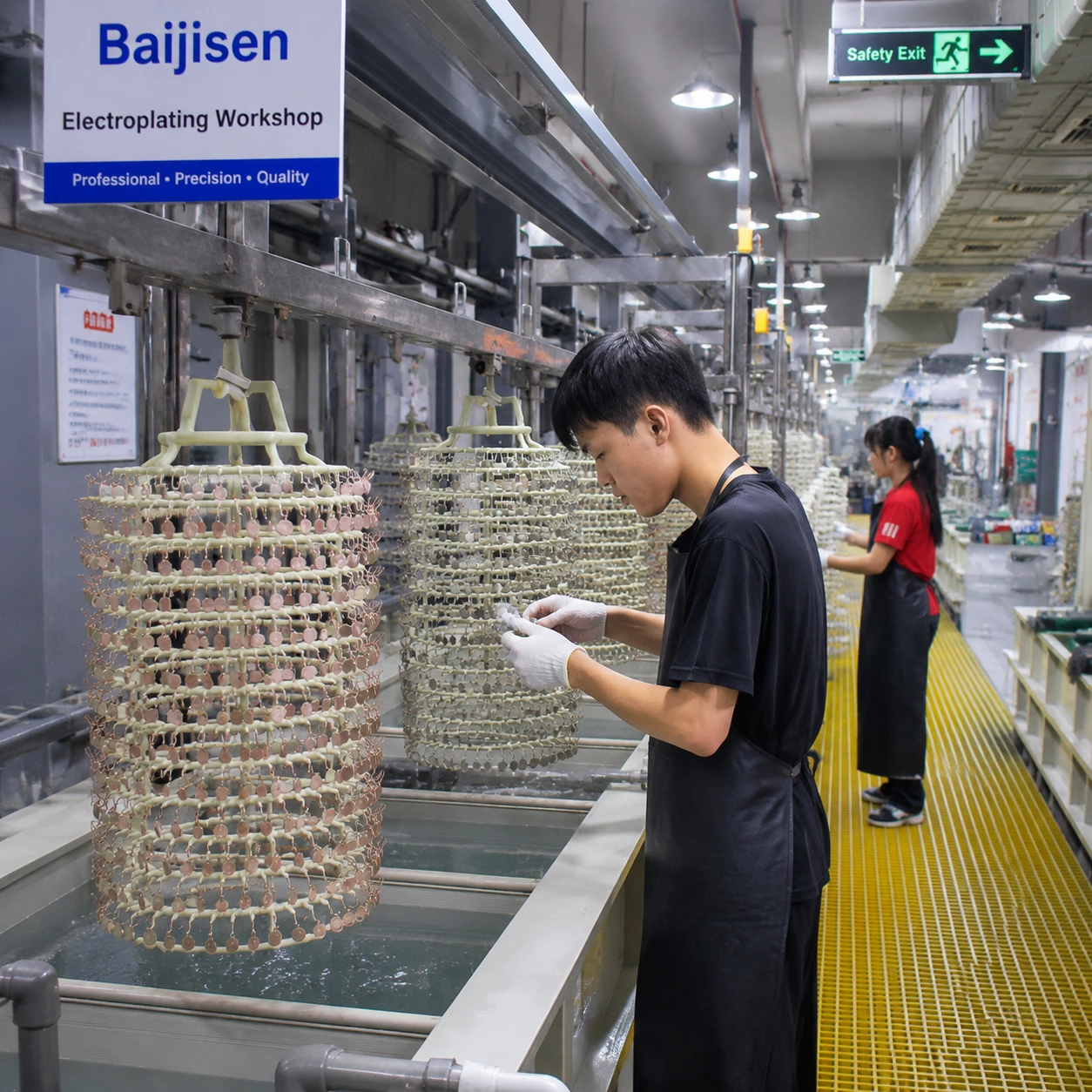
Review Enamel, Printing, and Special Effects
Soft Enamel
Soft enamel normally sits below the raised metal lines, creating a tactile surface and strong visual separation. It suits designs that benefit from clear outlines and noticeable texture.
Hard Enamel
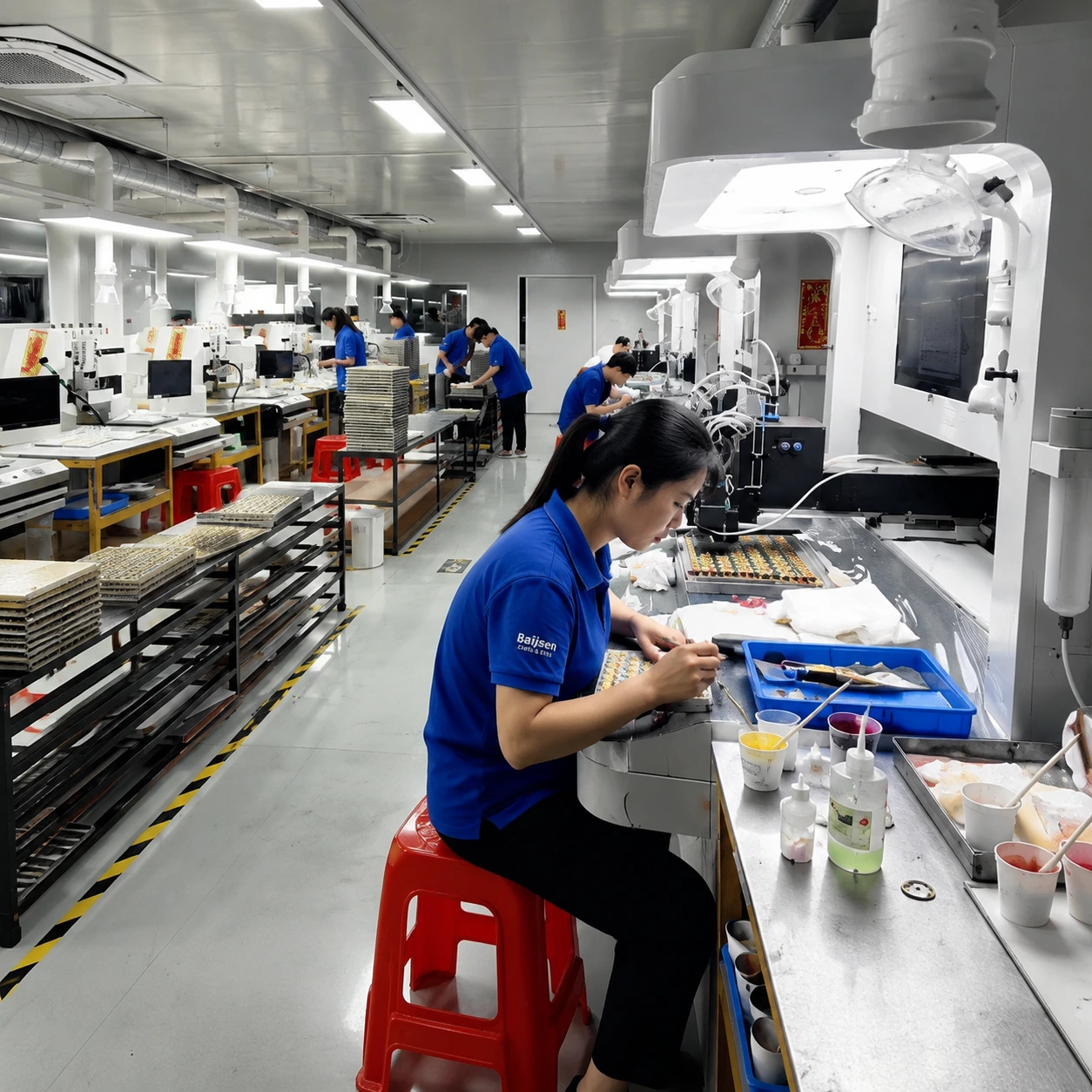
Hard enamel is filled and finished to create a smoother surface. It may suit premium presentation, corporate gifting, and collectible products where a polished appearance is important.
Printed Details
Gradients, photographs, complex shading, or very small details may require screen, UV, or another suitable printing method because traditional enamel depends on distinct color areas and metal separation.
Optional Features
Depending on the design and production method, a project may consider glitter, glow effects, transparent enamel, protective epoxy, laser engraving, sequential numbering, cutouts, spinners, or bottle-opener functions. Confirm compatibility, cost, and schedule before approving the proof.
Do Not Overlook the Coin Edge
The edge can make a challenge coin feel more distinctive, but it also introduces technical and proofreading requirements.
Plain Edge
A plain edge is clean, versatile, and easier to coordinate with budget-focused or minimalist projects.
Rope and Patterned Edges
Rope, diamond-cut, and other patterns can reinforce a military, maritime, heritage, or commemorative theme. They may require additional processing and sufficient edge space.
Edge Text
Confirm reading direction, spacing, spelling, letter size, start and end points, and whether the selected thickness can support the text clearly. Edge content should appear on the approved production artwork.
Understand Custom Challenge Coin Pricing
There is no single price that applies to every custom coin. A useful quotation must be based on the actual artwork and complete specifications.
What Determines Cost?
- Diameter or overall dimensions
- Thickness and weight
- Base material and forming method
- Order quantity
- 2D or 3D relief
- Plating and color requirements
- Edge treatment
- Special structures or effects
- Sampling and packaging
- Destination and shipping method
Why Quantity Changes the Unit Price
Custom production includes artwork preparation, tooling, machine setup, and other project-level work. When these fixed costs are distributed across more pieces, the average unit cost commonly changes.
Why the Lowest Quote Can Cost More
A low price does not protect a project from incorrect text, mismatched colors, poor plating, surface defects, quantity shortages, unsuitable packaging, or late delivery. Compare the complete scope and responsibility—not an isolated unit figure.
Information Needed for an Accurate Quote
| Information | Why it matters |
|---|---|
| Front and back artwork | Reveals detail, lettering, shape, relief, and tooling requirements |
| Size and thickness | Affects material, weight, edge options, packaging, and freight |
| Quantity | Determines production planning and allocation of setup costs |
| 2D or 3D relief | Changes artwork engineering and tooling |
| Plating and colors | Defines surface treatment, enamel, and printing work |
| Edge and special features | Identifies additional forming or finishing operations |
| Packaging | Determines protection, presentation, dimensions, and packing labor |
| Destination and required date | Allows production and shipping to be evaluated together |
Compare MOQ, Samples, and Production Timing
Minimum Order Quantity
Minimum order quantity 30 PCS.
Digital Proof vs. Physical Sample
A digital proof is efficient for checking layout, lettering, dimensions, color references, plating notes, and relief instructions. It cannot fully demonstrate physical weight, reflection, texture, relief depth, or the way a finish appears under different light.
A physical sample provides stronger evidence of surface and handling, but it can add tooling, sample production, approval, and shipping time. Evaluate the need for sampling according to complexity, order value, quantity, and event deadline.
Plan Backward from the Required Arrival Date
A complete schedule may include artwork preparation, revisions, tooling, sampling, approval, mass production, inspection, packing, and international transit. Buyers with a fixed ceremony, anniversary, conference, or launch should communicate the required arrival date at the beginning.
Examine the Manufacturer’s Quality Control
“Strict quality control” is meaningful only when the supplier can explain what is checked and when.
Artwork and Tooling Review
Confirm the artwork, text, profile, dimensions, and intended 2D or 3D structure before tooling and mass production.
Plating and Surface Inspection
Inspection should look for visible scratches, stains, rough edges, bubbles, uneven finish, and other surface abnormalities relevant to the approved standard.
Enamel and Print Inspection
Check color placement, missing fill, wrong colors, overflow, print registration, contamination, and overall cleanliness.
Dimensions, Thickness, and Structure
Measure against the approved specifications and the inspection method agreed for the process. Do not assume a generic tolerance applies to every material and production method.
Quantity and Packaging
Verify piece count, individual protection, accessories, labels, presentation boxes, export cartons, and shipping marks before dispatch.
Review Packaging and International Delivery
Basic Individual Protection
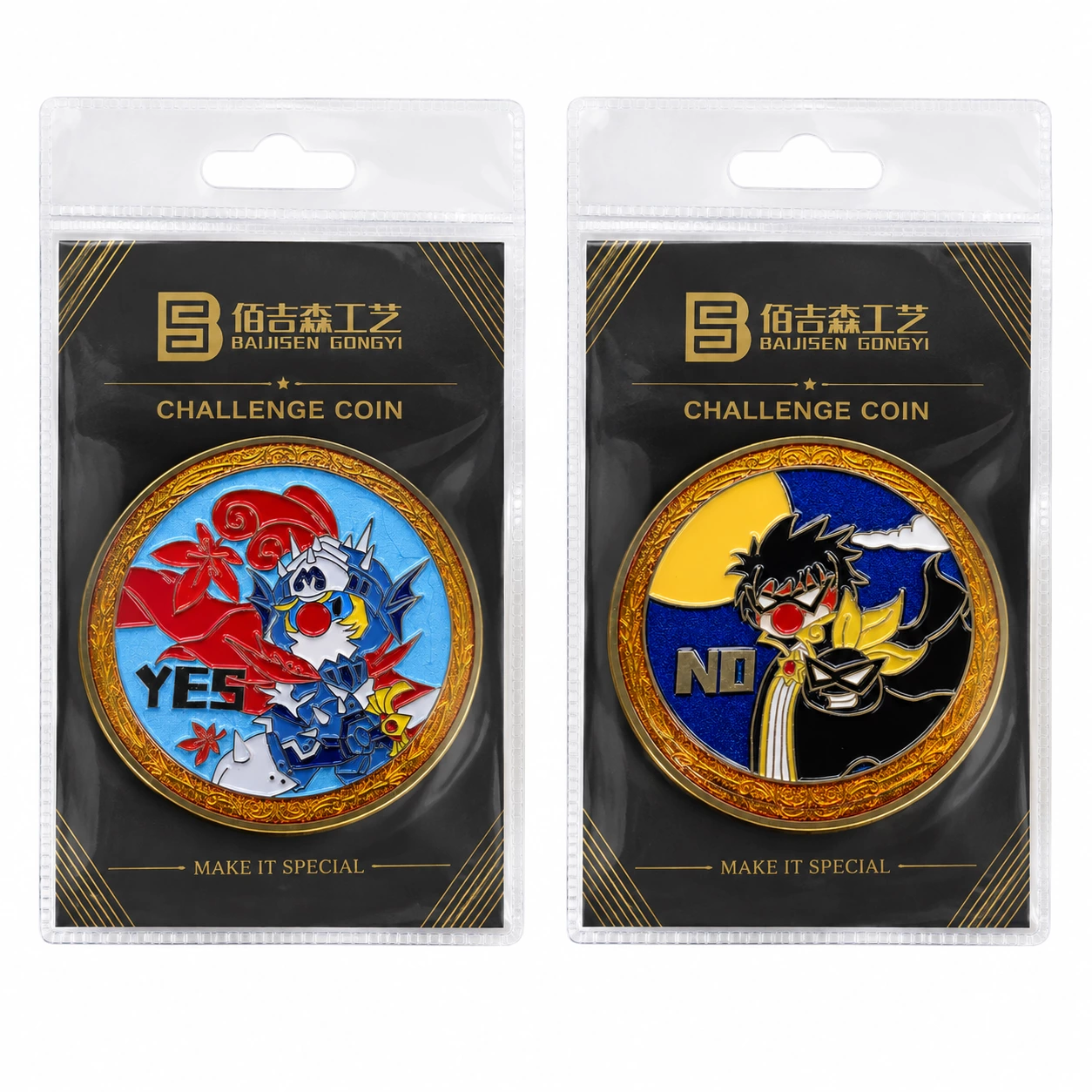
Individual poly bags can provide economical protection for bulk distribution. PVC pouches, coin capsules, and display cases can offer stronger presentation or protection for collectible projects.
Gift and Retail Packaging
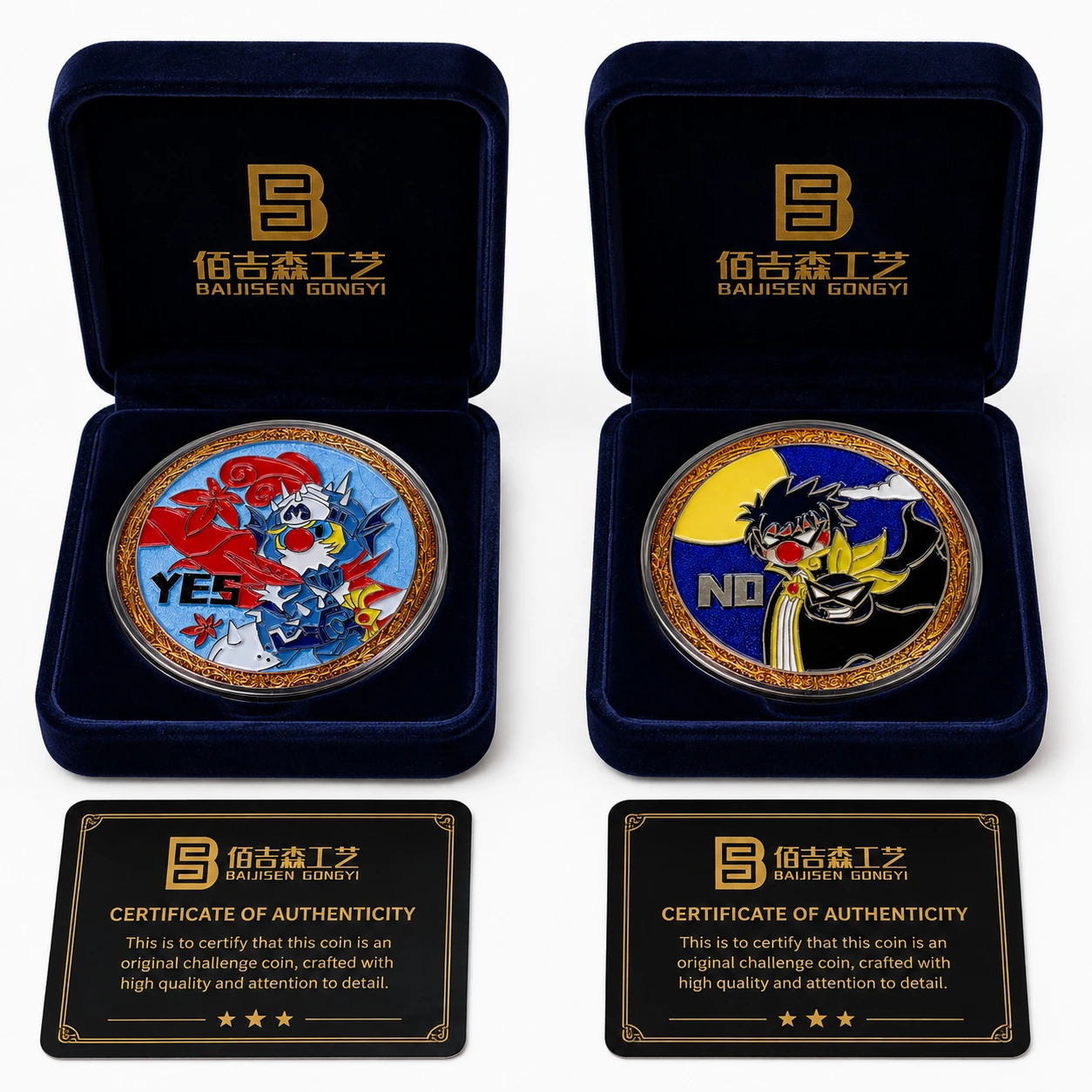
Velvet boxes and custom gift boxes suit recognition, corporate gifts, VIP presentation, and commemorative programs. Retail packaging may include a logo, product story, barcode, QR code, SKU, website, or care information.
International Shipping Considerations
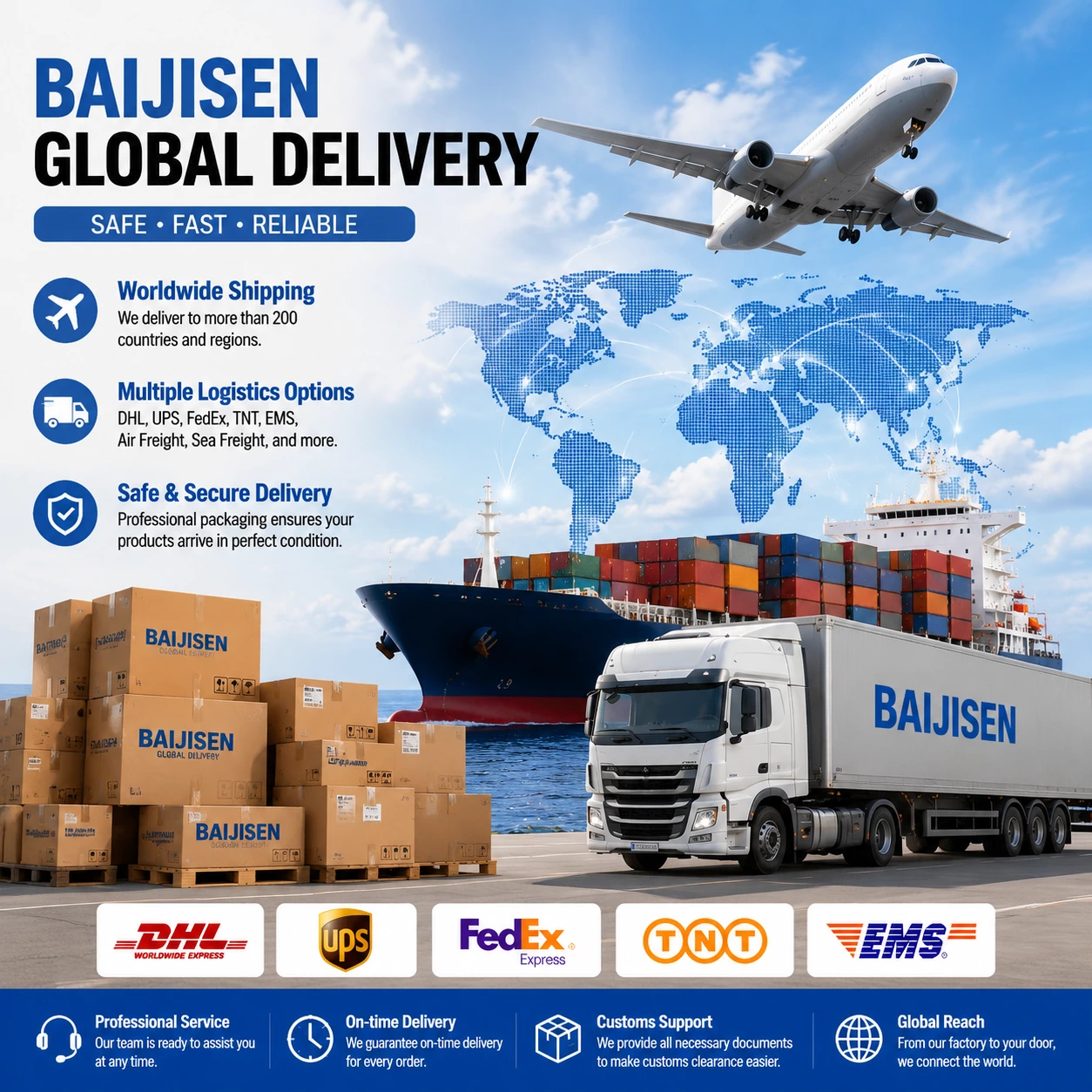
Destination, total weight, carton dimensions, transport method, required arrival date, export packing, and customs responsibility all affect delivery planning. Confirm which costs and responsibilities are included in the quotation.
Questions to Ask a Custom Challenge Coin Maker
- Can you manufacture both 2D and 3D coins?
- Which materials are suitable for this artwork?
- Can you prepare production artwork from a sketch or raster logo?
- What exactly is included in the quotation?
- Is tooling charged separately?
- What MOQ applies to this design?
- Can you provide a physical sample?
- Which plating and antique finishes are available?
- Which edge treatments can be produced?
- How are Pantone colors communicated and approved?
- Which quality checks are performed?
- How are confirmed quality problems handled?
- Which packaging options are available?
- What are the artwork, sample, production, and shipping timelines?
Clear, consistent answers are evidence of communication quality. If a supplier cannot explain the specifications before receiving payment, misunderstandings are more likely later.
Common Mistakes When Choosing a Coin Maker
Comparing Unit Price Alone
Confirm whether each quotation includes the same tooling, revisions, samples, plating, special features, packaging, freight, duties, and delivery responsibility.
Approving Only One Side
Proofread the obverse, reverse, and edge. Names, dates, orientation, relief, and edge text can all create costly errors after production.
Using a Size That Is Too Small for the Artwork
Choose size around content and legibility. Do not force multiple figures, long wording, and complex relief into a format that cannot reproduce them clearly.
Ignoring Thickness and Edge Requirements
Deep relief, edge lettering, and certain cut patterns should be considered with thickness at the design stage.
Starting Too Close to an Event
Artwork changes, sampling, production, inspection, packing, and transit all require time. Late planning can reduce process and shipping choices.
Why Work with Baijisen as Your Custom Challenge Coin Maker?
Baijisen supports custom metal-product projects for companies, organizations, brands, events, distributors, and international buyers. The objective is to convert a customer’s concept into specifications that can be reviewed, approved, manufactured, inspected, and packed.

Artwork and Production Review
Customers can begin with a logo, vector file, standard image, sketch, reference, or written concept. The project can then be reviewed around size, relief, color, plating, edge, and packaging requirements.
Multiple Customization Directions
Depending on the artwork, options may include 2D or 3D relief, die-struck or die-cast construction, enamel or printed details, bright or antique finishes, round or custom shapes, special edges, numbering, and presentation packaging. Availability is confirmed for each project.
Process and Inspection Coordination
Challenge coin production connects artwork approval, tooling, metal forming, polishing, plating, coloring or printing, finishing, inspection, and packing. A documented proof and appropriate checks help reduce avoidable errors in text, color, surface condition, quantity, and packaging.
Support for International B2B Orders
International projects require specifications, quantity, packaging, timing, destination, and freight to be considered together. Complete project information allows a more useful manufacturing recommendation and quotation.
How to Order Custom Challenge Coins from Baijisen
Send the Design or Idea
Provide front-and-back artwork, a logo, sketch, reference image, or written concept, and explain the intended use.
Confirm the Specifications
Define size, thickness, material, relief, colors, plating, edge, quantity, special features, packaging, destination, and required date.
Review the Quotation and Production Advice
Check what the price includes and whether any design changes are recommended.
Approve the Artwork or Sample
Verify every word, date, dimension, finish, color reference, orientation, and relief note.
Begin Mass Production
Production proceeds after the artwork, specifications, commercial terms, and schedule are confirmed.
Inspect and Pack the Order
The finished batch is checked and packed according to the confirmed requirements.
Arrange International Delivery
Shipping is coordinated according to destination, order weight, service level, and agreed delivery terms.
Frequently Asked Questions
Can a challenge coin maker work from a sketch?
Yes. A clear sketch, logo, image, or written concept can be used as a starting point. The artwork may need to be redrawn and converted into a production proof before tooling begins.
What file format is best for a challenge coin design?
Editable vector files such as AI, EPS, SVG, and vector PDF are preferred. High-resolution PNG, JPG, or PSD files can also be used as references when redrawing is required.
What is the best size for a custom challenge coin?
There is no single best size. Simple logos and short wording can fit a compact format, while detailed portraits, buildings, or long text usually need more space. Select size according to artwork, relief, thickness, handling, and budget.
What is the difference between 2D and 3D challenge coins?
A 2D coin uses defined raised and recessed planes, while a 3D coin uses gradual changes in relief to create sculpted depth. The best choice depends on the artwork and intended effect.
Can both sides of a challenge coin be customized?
Yes. The obverse and reverse can carry different logos, text, dates, colors, relief, or numbering, subject to artwork review and the selected process.
Can Pantone colors be specified?
Pantone references can be used when color control is important. However, screen colors, enamel, plating, and reflected light do not appear identical in every viewing condition.
How much do custom challenge coins cost?
Cost depends on size, thickness, material, quantity, relief, plating, colors, edge treatment, special features, packaging, and shipping. A project-specific design is needed for an accurate quotation.
What is the MOQ for custom challenge coins?
Minimum order quantity 30 PCS.
Can I order a sample before mass production?
Sampling availability, cost, and schedule depend on the design, tooling, and order arrangement. A physical sample may be useful for complex or high-value projects.
How long does challenge coin production take?
The normal delivery time is 15 days.Timing depends on artwork approval, tooling, sampling, quantity, process complexity, packaging, production scheduling, and international shipping. Plan early when an event date is fixed.
Can challenge coins have individual serial numbers?
Individual numbering may be added by laser engraving or another suitable method. Confirm the number format, location, sequence, and process before manufacturing.
Can custom packaging be supplied?
Depending on the project, options may include individual bags, PVC pouches, coin capsules, display cases, velvet boxes, and custom gift packaging.
Get a Custom Challenge Coin Quote
Send Baijisen your artwork, logo, sketch, or coin concept. Include the required size, thickness, quantity, relief, plating, colors, edge design, packaging, destination country, and target arrival date for a project-specific review and quotation.
Email Your Project Details View Custom Challenge CoinsEmail: postmaster@baijisen.com