中文
Challenge Coin Display Guide
The right challenge coin display depends on the coins you own and the space you have. Start by measuring each coin’s width, height and actual thickness, including any protective capsule. Then compare those measurements with the holder’s grooves, internal clearance and support arrangement.
A single stand can highlight one meaningful piece. A tiered rack can organize a group on a desk. A wall cabinet can free up workspace, while a shadow box can combine coins with photographs and memorabilia.

This guide helps you compare those options, avoid common fit problems and plan presentation packaging for custom challenge coin projects.
Quick Guide: Match the Display to Your Goal
| Your Goal | Format to Consider | Check First |
|---|---|---|
| Highlight one important coin | Single stand or presentation case | Support points, stability and artwork visibility |
| Display several coins on a desk | Tiered rack | Groove width, row spacing and rear-row visibility |
| Keep desk space clear | Wall-mounted cabinet | Internal dimensions and mounting requirements |
| Tell a story with coins and memorabilia | Shadow box | Layout, mounting method and contact materials |
| View the front and reverse | Suitable transparent or rotating holder | Obstructions, retention and thickness compatibility |
| Present a recognition or commemorative gift | Coordinated presentation packaging | Insert fit, removal and opening presentation |
Measure Your Coins | Compare Display Types | Prepare a Custom Project Inquiry
Challenge Coin Cases, Stands, Racks and Cabinets
Product names are not always used consistently. Review the construction and specifications rather than assuming that every “case” is enclosed or every “holder” fits the same coin dimensions.
Single-Coin Stands
A stand gives one coin a clear focal position on a desk, shelf or inside a cabinet. Check that its supports do not hide important lettering or contact raised artwork.
The base should suit the coin’s dimensions and weight. A holder that works for a round piece may not balance an irregular outline.
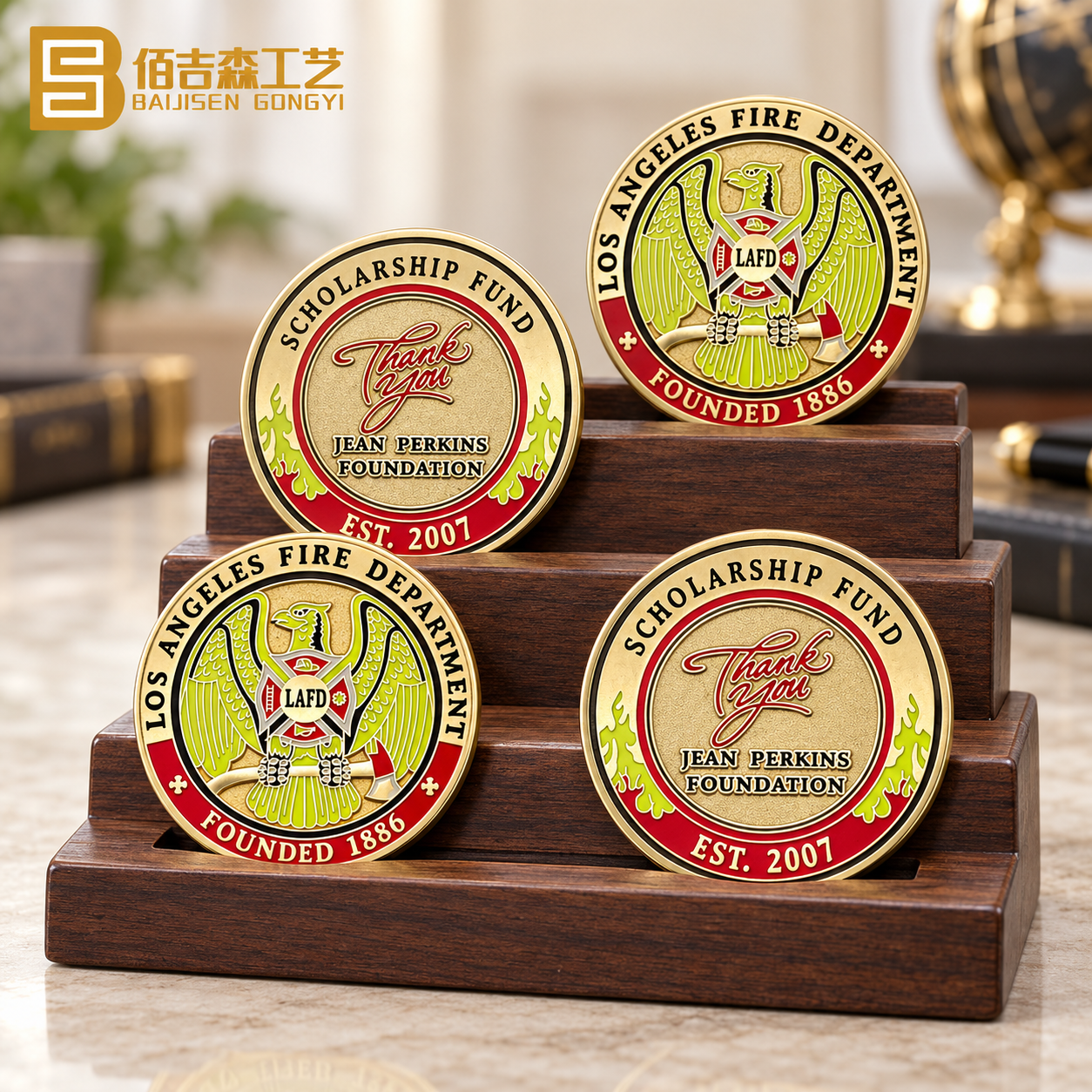
Tiered Challenge Coin Racks
Tiered racks arrange coins across rows at different heights. They are useful for grouped tabletop displays when the grooves and spacing fit the collection.
Review the view from your normal sitting or standing position. Tall coins in front may obscure smaller pieces behind them, even when all the coins physically fit.
Enclosed Display Cases
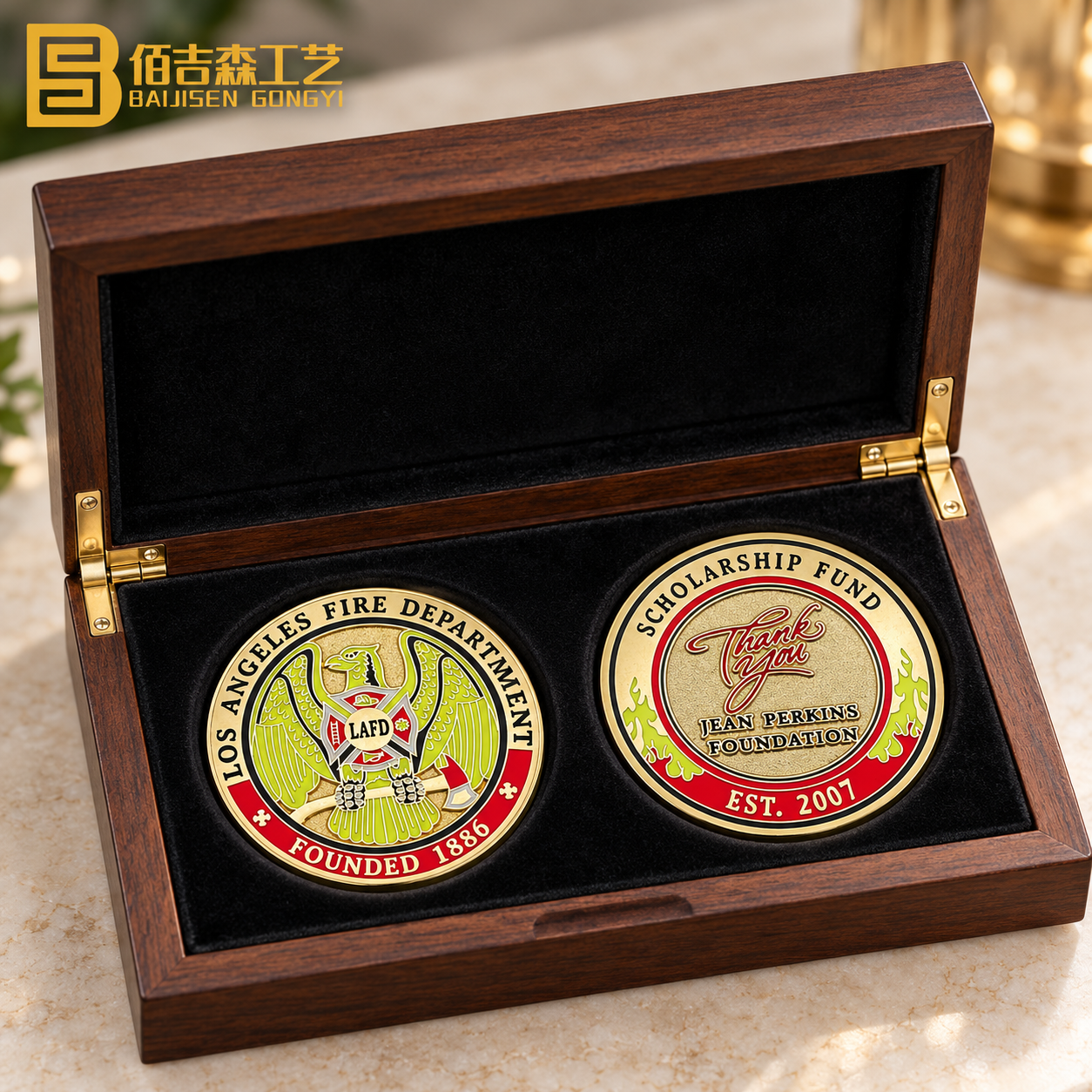
An enclosed case can reduce some incidental touching and dust exposure. Check usable interior dimensions, the retention method and access for removing the coin.
A closed structure does not automatically establish airtightness, UV resistance or protection against tarnishing. Evaluate those claims separately.
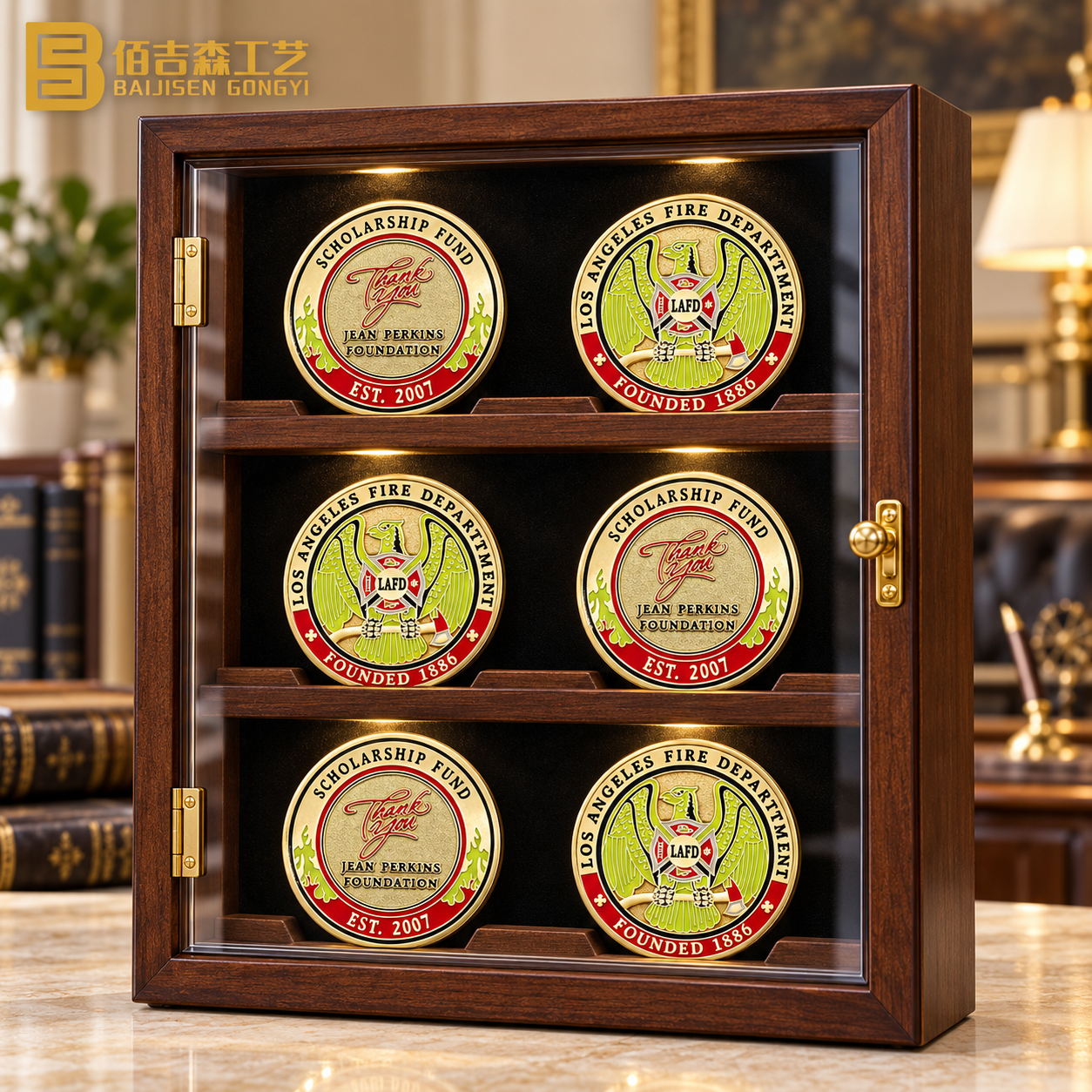
Wall-Mounted Cabinets
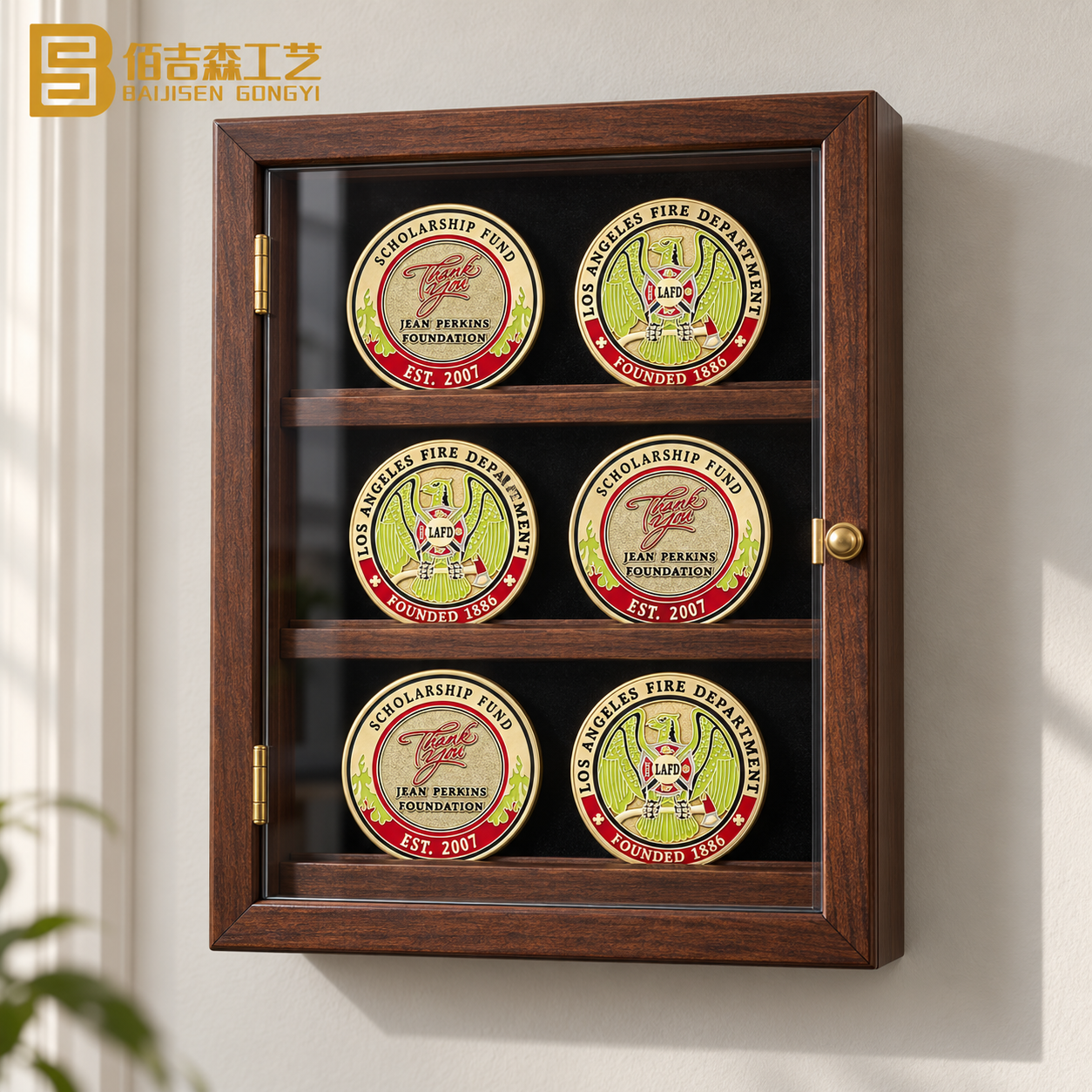
A wall cabinet can create a dedicated collection area. Confirm shelf clearance, groove dimensions and the space between the coins and the closed door.
Follow the mounting instructions and account for wall conditions, suitable fixings and the combined weight of the cabinet and contents.
Shadow Boxes
Shadow boxes combine coins with photographs, patches, badges and short explanations. Choose one main focal point, then arrange supporting objects around it.
Plan a suitable mounting method. Avoid applying adhesives directly to a coin without confirming their compatibility with its surface and intended use.
Transparent and Floating Holders
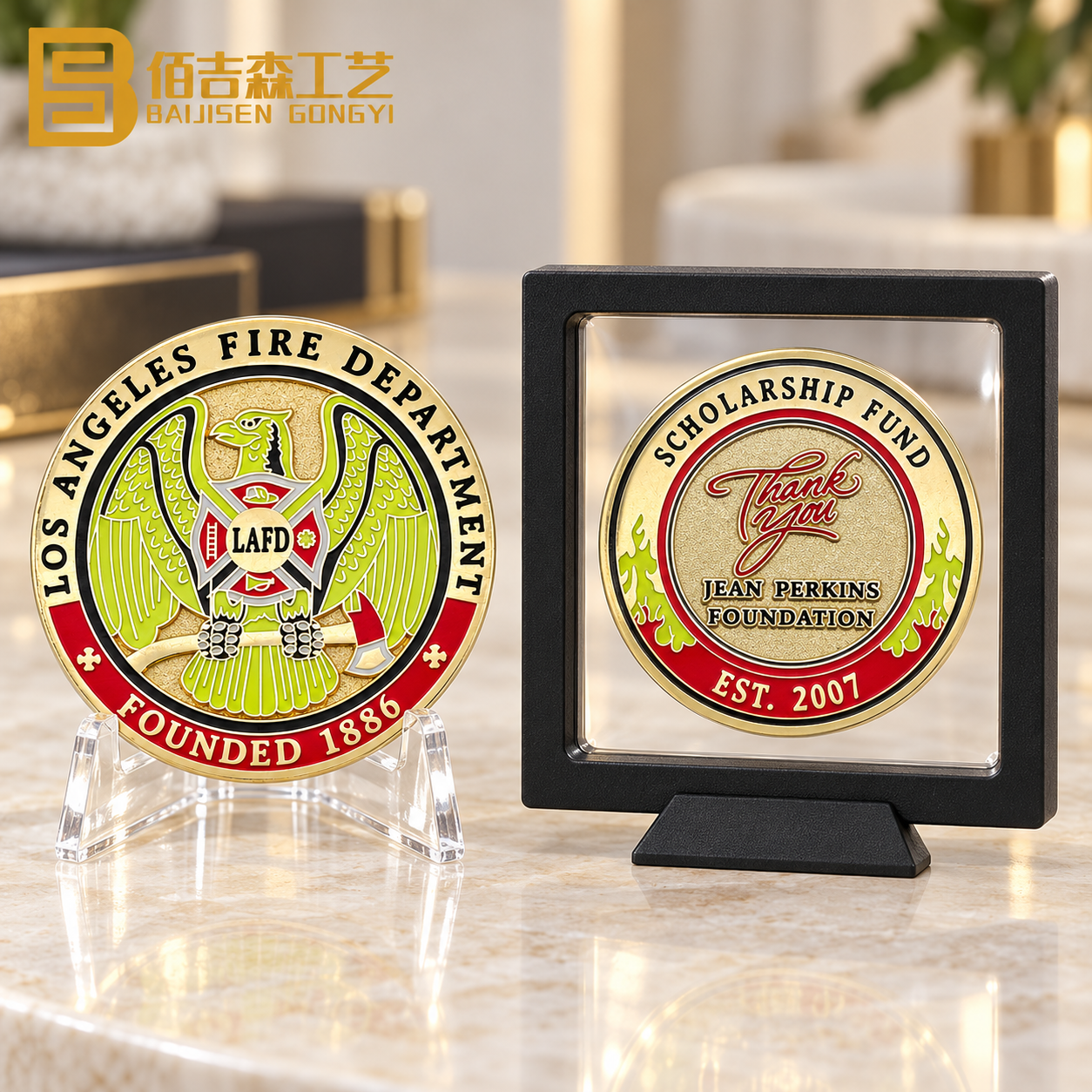
Some transparent or membrane-style structures make both faces visible. Check their permitted dimensions, thickness, contact materials and opening method.
Raised details and sharp or unusual edges may need additional assessment. “Floating” is a presentation style, not a universal fit guarantee.
How to Measure Coins and Check Display Fit
Step 1: Record the Maximum Dimensions
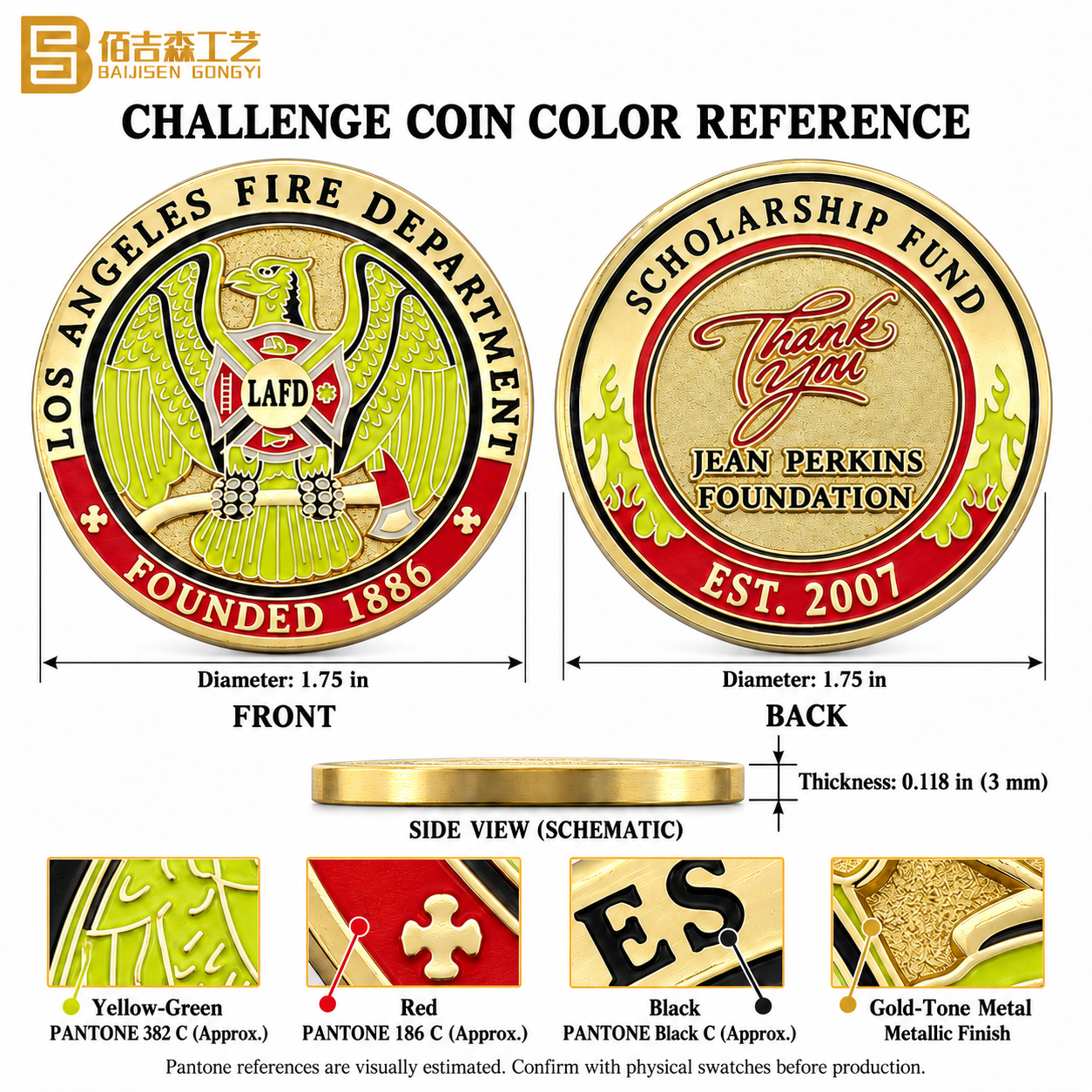
For round coins, measure the maximum diameter. For irregular designs, measure maximum width and height, including projecting features.
Measure actual thickness as well. Relief, attachments or other raised elements can increase the space required.
Step 2: Include Any Protective Capsule
If the capsule will remain on the coin, use its outside dimensions for the fit assessment. Its internal diameter does not describe the space it occupies in a rack.
Step 3: Check the Holder’s Usable Space
Ask for groove width and depth, row clearance and any relevant door or panel clearance. External product dimensions alone are not enough.
Step 4: Review Stability and Visibility
A coin can physically fit while sitting loosely, leaning incorrectly or losing part of its artwork behind a support. Check these factors together.
Step 5: Test Removal and Replacement
Ensure the coin can be removed without forcing it, scraping its finish or disturbing adjacent pieces. Follow the holder’s instructions when opening or adjusting it.
A Practical Fit Record
| Check | Information to Record |
|---|---|
| Coin outline | Maximum width and height, or diameter |
| Thickness | Actual occupied thickness, including relief or capsule |
| Holder dimensions | Groove size and usable internal clearance |
| Support | Contact points and observed stability |
| Visibility | Obstructed text, artwork or rear rows |
| Access | Ease of removal and replacement |
Why Stated Capacity May Differ from Your Collection
A capacity estimate usually assumes particular coin sizes and spacing. Oversized pieces, irregular outlines and deliberate gaps can reduce usable capacity.
Plan with your actual collection and leave space for access and future additions.
Displaying Oversized, Thick and Irregular Coins
Oversized Coins
Larger pieces need suitable support and enough surrounding space. Consider a separate stand or a position that does not obscure neighboring coins.
Review weight and stability as well as appearance.
Thick and High-Relief Coins
Check groove compatibility and clearance from panels or doors. Raised artwork should not be pressed against the display structure.
Irregular Outlines
The bottom edge and center of gravity affect how an irregular coin sits. A dedicated stand or fitted insert may be more appropriate than a standard straight groove.
New Custom Designs
If you are developing a new coin, discuss presentation before finalizing its outline and thickness. This can help avoid a mismatch between the finished product and packaging.
View Baijisen challenge coin products to explore design directions for a custom project.
How to Display Both Sides of a Challenge Coin
Double-sided artwork often carries two parts of the same story. Choose a viewing method that suits the space and how often you want to examine the reverse.
- Transparent holders: check whether the base or retention system blocks either side.
- Rotating stands: confirm stability and operation with the actual coin.
- Alternating orientation: periodically change the displayed face with careful handling.
- Reverse-side photographs: add a small image or information card beside a front-facing coin.
Compare visibility, access, protection and space requirements. A transparent enclosure may still conceal part of the artwork.
Challenge Coin Display Ideas for Different Spaces
Desk and Home Office
Display a focused selection rather than filling every available surface. Keep the arrangement away from routine movement and preserve useful workspace.
Bookshelf or Cabinet
Check shelf height and depth. Review the display from the usual viewing position and choose a background that makes the artwork easy to distinguish.
Wall Collection
Organize by date, organization or theme. Plan the overall area before selecting cabinets, and reserve room for additions where possible.
Military and Service Memorabilia
Combine coins with appropriate photographs and commemorative objects. Confirm that any identifying or organizational information is suitable for public display.
Read the military challenge coin guide for related custom project considerations.
Corporate Recognition
Use consistent labels and layouts for years, awards or projects. If the program will continue, define the system before producing the first series.
Exhibitions and Product Presentations
Consider viewing height, access and setup time. Plan transport packing separately: a display stand is not automatically suitable as shipping protection.
Organize a Growing Collection
Use a consistent grouping method and maintain a separate record of photographs, dimensions and provenance. Keep labels brief and store longer stories in the record.
Rotating themed selections can reduce crowding without requiring every coin to remain on display.
Display Protection and Maintenance
Distinguish Display from Storage and Shipping
Display prioritizes viewing. Storage prioritizes organization and reduced handling. Gift packaging supports presentation, while shipping packaging addresses transportation.
One product may serve several purposes, but each use needs its own assessment.
Check Contact Materials
Coins may contact wood, foam, fabric, membranes or other materials. Confirm compatibility with the coin’s finish and intended duration of use.
Claims such as archival quality, airtightness or UV resistance should be supported by product information. Do not infer them from appearance alone.
Consider the Location
Evaluate sunlight, heat, humidity, dust and frequent touching. Follow guidance appropriate to the coin’s materials and the display product.
Clean the Display Carefully
- Follow the manufacturer’s cleaning instructions.
- Do not spray cleaner directly onto coins.
- Avoid unnecessary rubbing or polishing of coin surfaces.
- Seek appropriate advice before treating valuable or sensitive pieces.
An ordinary display case should not be assumed to prevent tarnishing, discoloration or damage permanently.
Challenge Coin Display Buying Checklist
Use this checklist to compare products or prepare questions for a supplier.
- Record the largest coin width, height and thickness.
- Include protective capsules in the measurements.
- Confirm groove width and usable depth.
- Check row spacing and panel clearance.
- Review support for irregular shapes.
- Check whether text or artwork will be hidden.
- Estimate capacity using actual coin sizes.
- Confirm removal and replacement access.
- Review contact materials and cleaning guidance.
- Check installation requirements for wall displays.
- Reserve space or plan a rotation system.
- Confirm price, delivery and applicable return arrangements.
Common Mistakes to Avoid
| Mistake | Better Approach |
|---|---|
| Measuring diameter only | Include thickness and raised details |
| Buying by maximum capacity alone | Plan with actual dimensions and spacing |
| Placing tall coins in front | Review rear-row visibility |
| Forcing a coin into a groove | Confirm compatibility before use |
| Using adhesive directly on the surface | Discuss suitable removable supports |
| Treating a gift box as universal protection | Assess display, storage and shipping separately |
Plan Custom Coins and Presentation Packaging Together
Recognition, anniversary and merchandise projects benefit from coordinating the coin and its packaging early. The insert must suit the finished outline, thickness and relief.
Confirm Fit and Removal
The insert should hold the product appropriately while allowing practical removal. Check contact points and whether the main artwork remains visible.
Review the Opening Presentation
Confirm orientation, branding, printed wording and color coordination. Evaluate what the recipient sees when opening the package.
Use Packaging for Supporting Information
Keep essential imagery on the coin and place longer explanations on a card or box where appropriate. This can improve readability at the finished size.
Approve the Complete Combination
When sampling is agreed, review the coin and packaging together. Confirm retention, removal, printed details and packing arrangements.
For production preparation, see How to Make Custom Challenge Coins .
Discuss Custom Challenge Coins and Packaging with Baijisen

Kunshan Baijisen Craft Gift Co., Ltd. provides custom challenge coins and other metal craft gifts. Share your design and presentation requirements for corporate recognition, commemorative gifts or merchandise.
Available packaging and accessories must be confirmed for the project. If you need a separate wooden rack, wall cabinet or another display product, verify whether it is within the available supply scope.
Prepare Your Inquiry
| Requirement | What to Provide |
|---|---|
| Project type | Custom coins, presentation packaging or a display accessory |
| Artwork | Front and reverse designs or reference images |
| Dimensions | Maximum width, height and thickness |
| Quantity | Units per design and total units |
| Use | Recognition, gifts, retail or collection display |
| Presentation requirements | Packaging structure, branding and viewing preferences |
| Delivery | Destination and required arrival date |
If you have not selected a packaging structure, explain the intended use and provide reference images. Specifications, feasibility, pricing and sampling arrangements can then be discussed.
Frequently Asked Questions
What is the best challenge coin display?
The best fit depends on coin dimensions, quantity, viewing preferences and available space. Compare those requirements with the actual product specifications.
Can a standard rack hold thick or oversized coins?
Only if its grooves and clearance are suitable. Confirm actual thickness, height and support requirements before purchasing.
How do I measure a coin inside a capsule?
Use the capsule’s outside width, height and thickness if it will remain installed during display.
How should I display an irregular coin?
Review its lower edge, support points and balance. A dedicated stand or fitted insert may be appropriate.
How can I show both sides?
Consider a suitable transparent or rotating holder, alternate the displayed side or add a reverse-side photograph.
Why does my collection not fit the advertised capacity?
Capacity estimates depend on dimensions and spacing. Larger or irregular coins can occupy more room than the pieces used in the product example.
Does a display case prevent tarnishing?
Enclosure alone does not establish that protection. Evaluate the materials, environment and relevant product guidance.
Can I display coins with photographs and patches?
A shadow box can combine them. Plan compatible mounting and confirm that the information is suitable for public display.
Can custom coins include presentation packaging?
Discuss available structures, inserts, branding and quantities with the supplier. Confirm them alongside the coin specifications.
Does Baijisen supply every type of display described here?
This guide compares display formats and does not claim that every accessory is supplied by Baijisen. Confirm availability for your specific project.