中文
Decorative Pins for Clothing
Decorative pins can add a colorful illustration to a denim jacket, a recognizable logo to a uniform or a metal accent to a blazer. The right choice depends on both the design and the clothing that will support it.
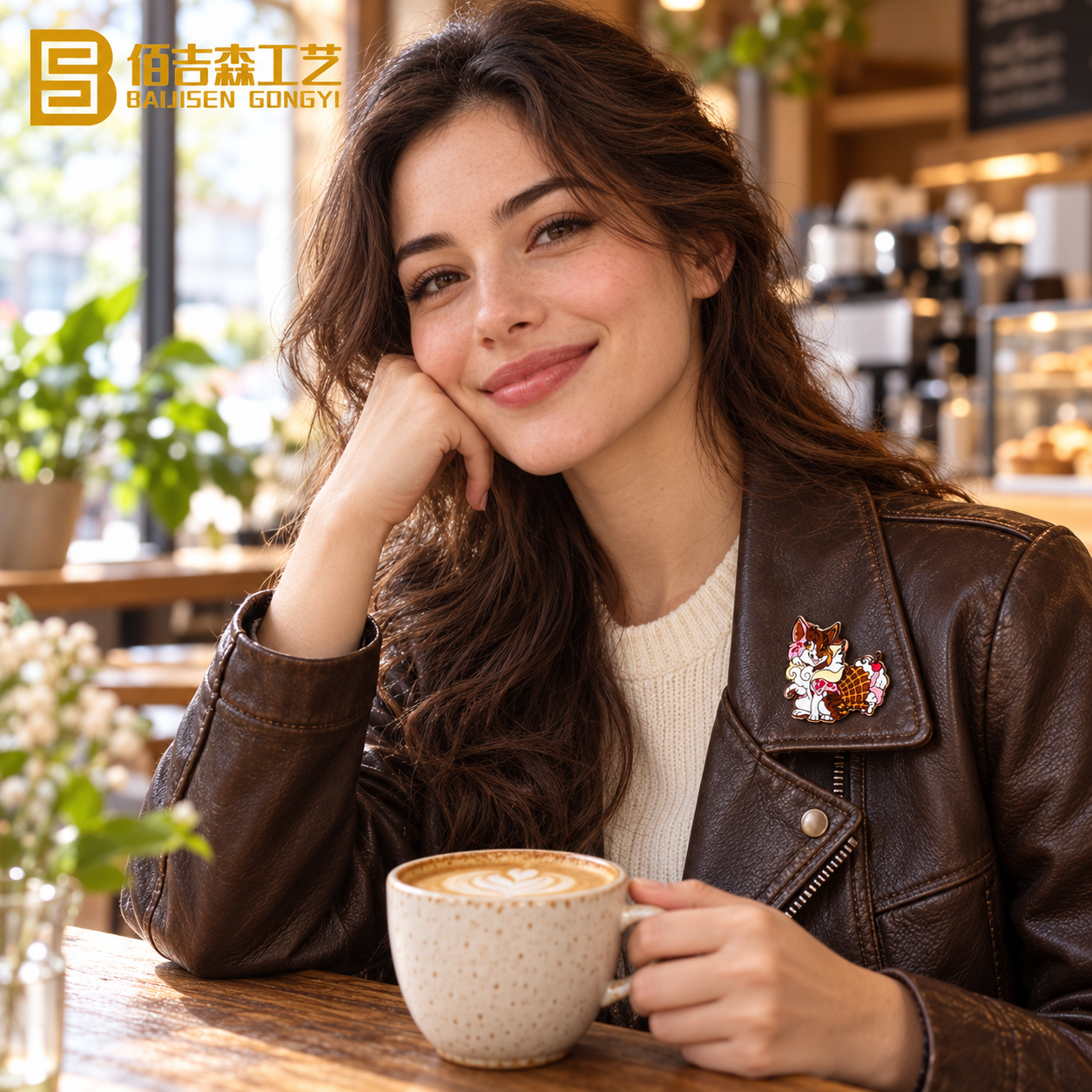
How do you choose decorative pins for clothing? Identify the garment and purpose first. Compare enamel pins for colorful artwork, metal pins for relief and symbols, and brooches for decorative shapes. Then review dimensions, weight, edges and attachment. If the accessory must secure clothing, confirm that function separately from decoration.
This guide helps you select a design direction, understand garment considerations and prepare a custom project for Baijisen. It covers wearable decoration and branded products rather than sewing pins or laundry clothespins.
Compare Pin Options Prepare a Custom Inquiry
Start with the Decorative Effect You Want
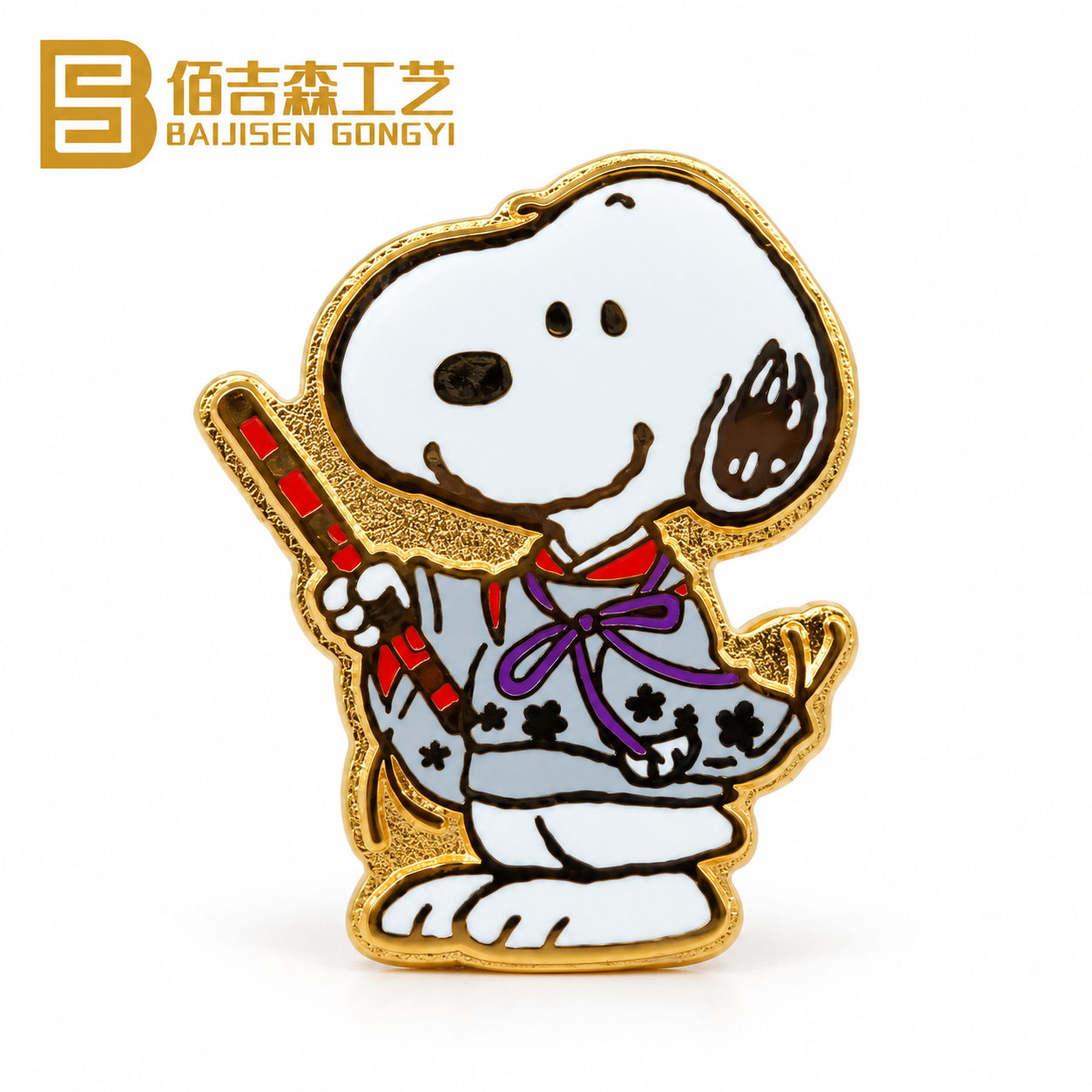
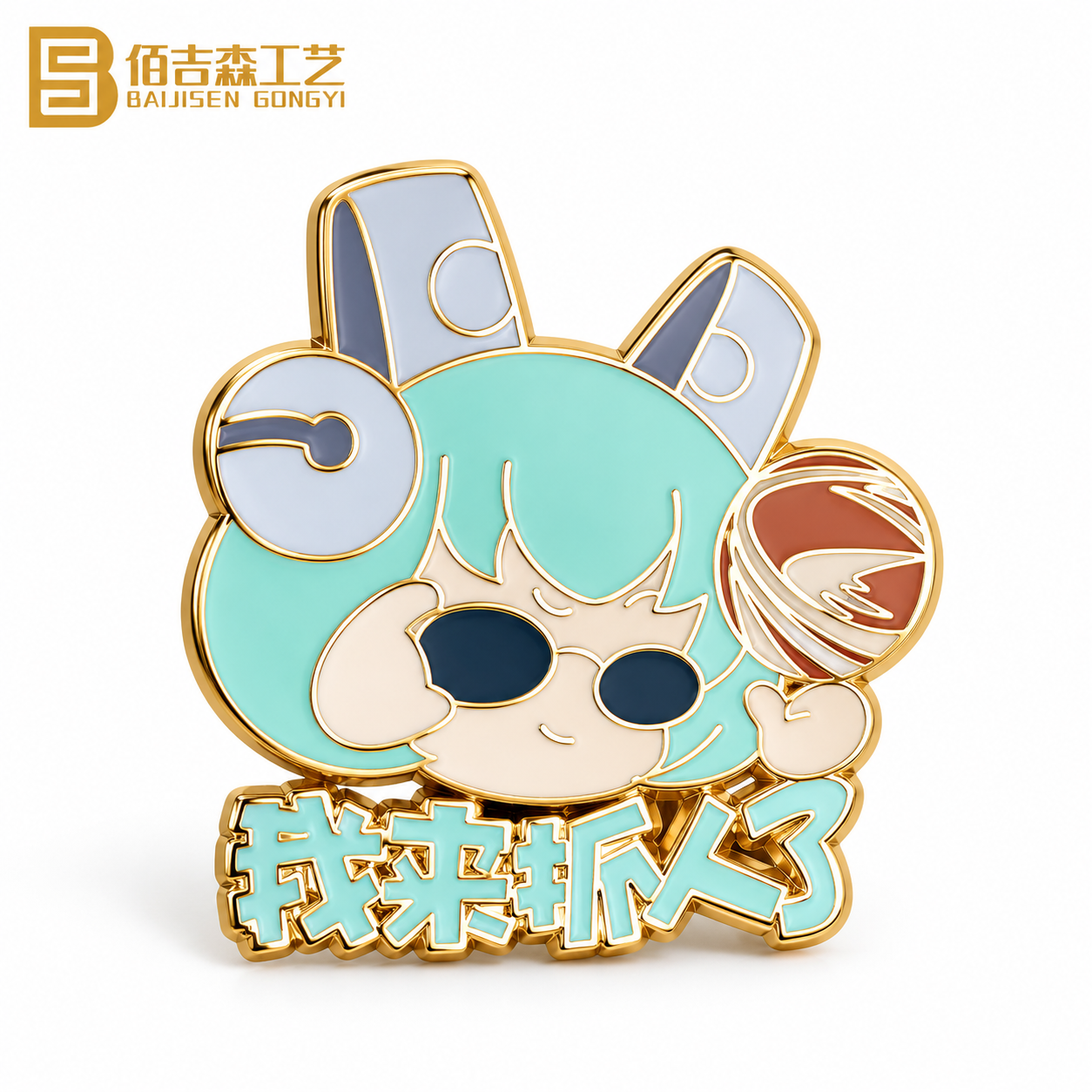
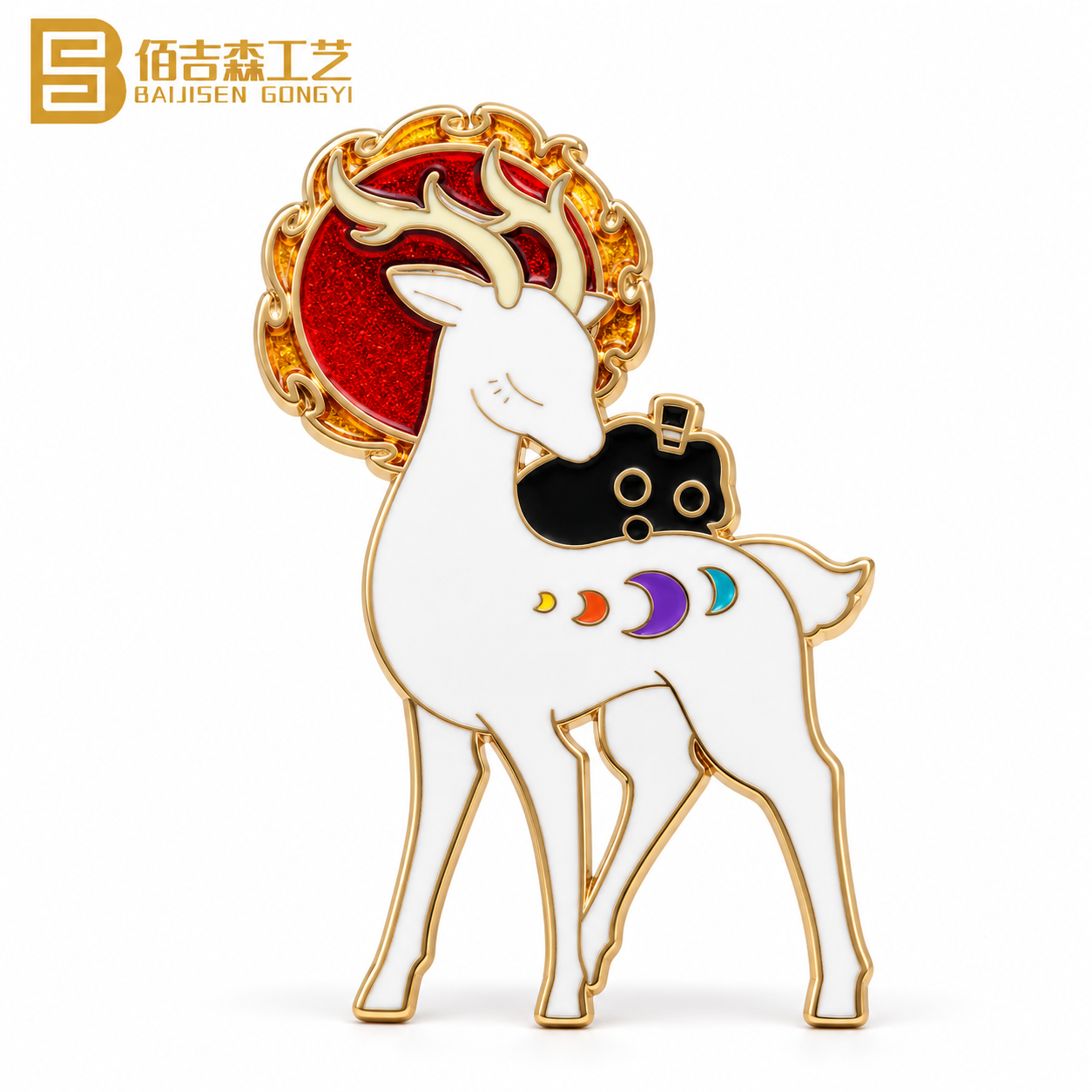
Enamel Artwork Pins
Compare this direction for logos, characters, flowers and illustrations with distinct color areas.
Review: Color separation, detail, actual size and backing.
Explore Lapel Pin Products
Metal Logo Pins
Compare raised and recessed metal for emblems, monograms and designs focused on texture.
Review: Relief, lettering contrast, finish and attachment.
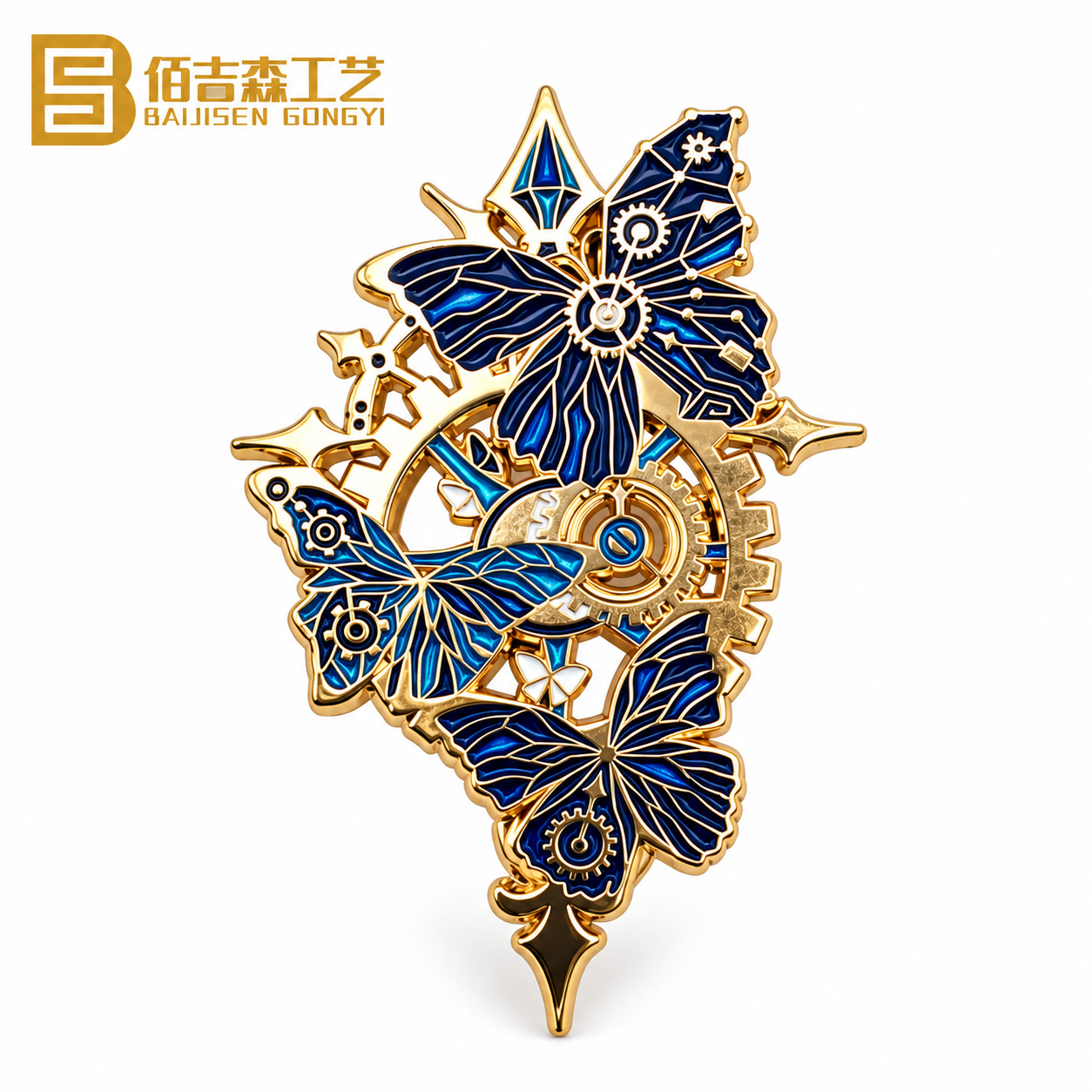
Explore Metal Badge and Brooch OptionsDecorative Brooches
Discuss a floral, animal, geometric or original shape where the overall form is central to the design.
Review: Weight, balance, edges and closure.
Read the Custom Brooch GuideThese are project directions, not statements of stock availability. Share your artwork to discuss a suitable construction and its specifications.
Understand the Types and Functions
“Decorative clothing pins” covers several constructions. The name alone does not establish material, size, attachment or suitability for a particular garment.
| Type | Typical design direction | What to confirm |
|---|---|---|
| Enamel pin | Separated colors and visible metal boundaries | Fill areas, linework and surface profile |
| Metal pin | Relief, texture and exposed metal | Background contrast and finish |
| Brooch | A decorative shape or composition | Weight, projections and fastening structure |
| Printed or combined construction | Photographic detail or continuous color changes | Image quality, method and protection |
| Decorative garment fastener | Decoration with a defined fastening purpose | Functional design and actual wearing conditions |
Soft Enamel and Hard Enamel
Soft enamel typically has color below raised metal borders. Hard enamel generally produces a comparatively level surface after filling and finishing.
Choose according to the intended appearance and artwork. Optional coatings and additional printed details should be specified separately.
Decoration Is Not the Same as Fastening
A logo pin may decorate a garment without securing it. An accessory intended to hold a shawl, close an opening or adjust clothing needs a structure suitable for that purpose.
Do not assume that an ornamental pin can support fabric tension or function as a waist adjuster. Confirm the intended function and supplier capability.
Check Whether You Are Buying a Finished Product
Sewing pins, brooch bases and DIY findings are different from completed wearable accessories. Include a reference image when a product description is ambiguous.
Choose Decorative Pins for the Actual Garment
The same pin can behave differently on a structured jacket and a lightweight blouse. Consider fabric, placement, product weight and movement together.
| Garment | Main consideration | Questions to ask |
|---|---|---|
| Blazer or suit jacket | Lapel proportions and comfort | Is the logo readable? Does the backing interfere with wear? |
| Denim or casual outerwear | Placement, friction and combined weight | Will straps rub the pins? Is a group too concentrated? |
| Shirt or blouse | Pulling, folds and puncture marks | Can the fabric support this product at the chosen position? |
| Knitwear | Snagging and distortion | Do the post, closure or projecting parts affect the knit? |
| Scarf or shawl | Decoration versus fastening | Must it secure layers, or only sit on the surface? |
| Uniform or event clothing | Consistent positioning and wearer activity | Does the product meet the organization's clothing requirements? |
Blazers and Suit Jackets

Compare the accessory with the lapel width and other details. A corporate logo may prioritize identification, while a decorative brooch may emphasize shape and contrast.
Check orientation, attachment position and the relationship with ties, pocket squares or other accessories.
Casual Jackets
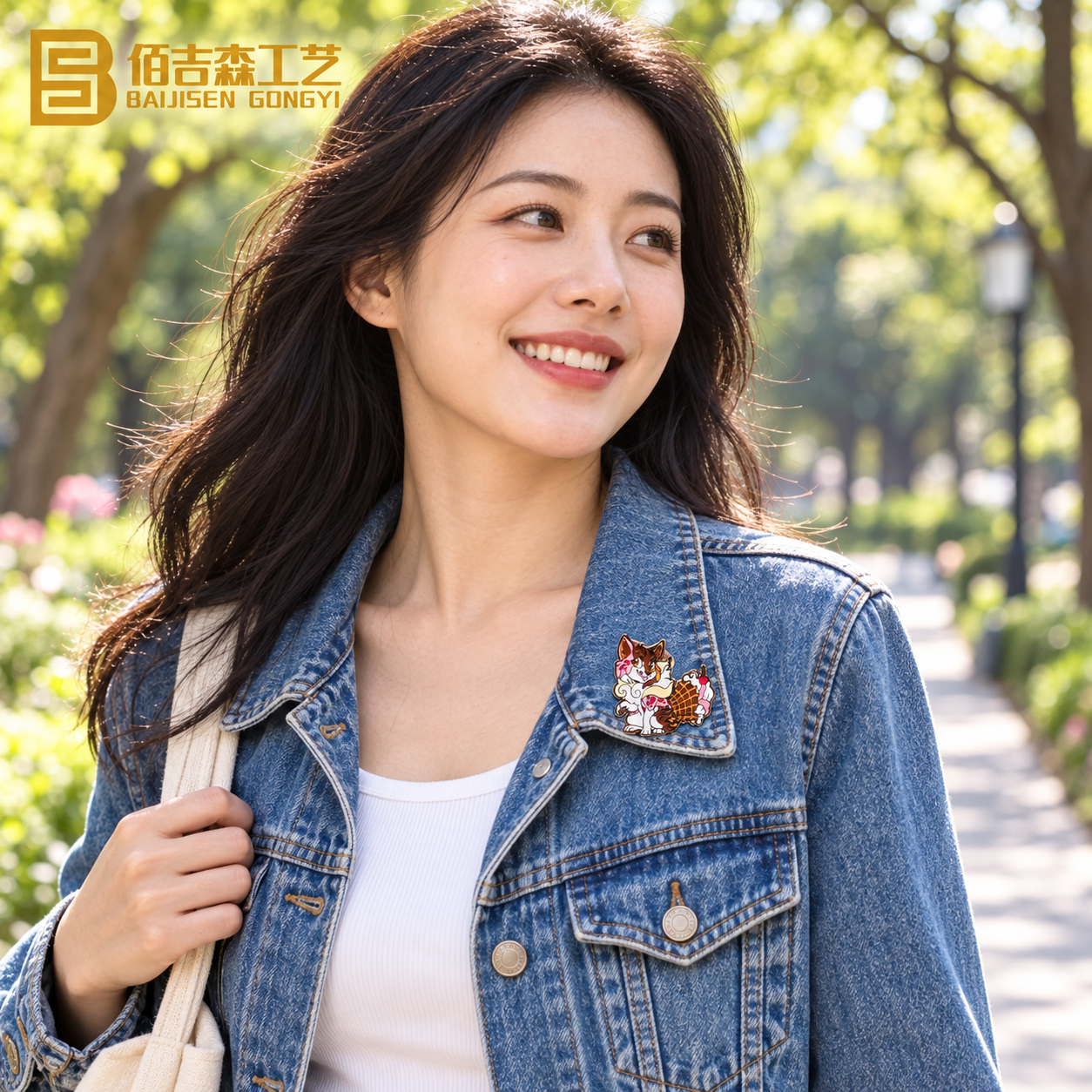
A single design can provide a focal point. A coordinated group can express a theme, but should leave space for fabric movement. Avoid positions subject to repeated rubbing or pulling.
Coated and specially constructed outerwear may have restrictions. Follow the garment's instructions rather than assuming a thick appearance establishes compatibility.
Lightweight Shirts and Knitwear
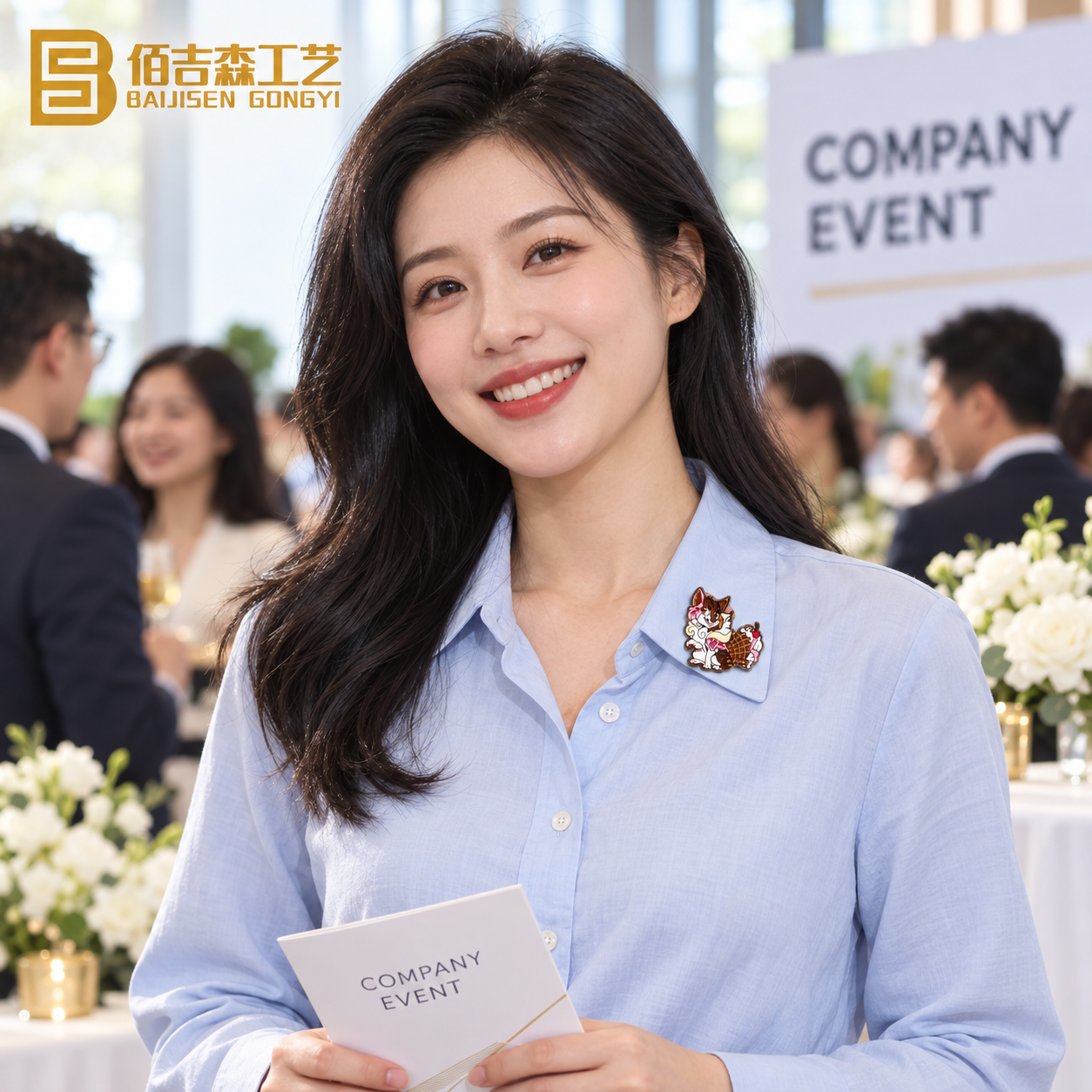
Review weight and construction carefully. Small dimensions do not necessarily mean low weight, and a compact pin can still pull or mark a delicate fabric.
For knitwear, inspect possible snagging and stretching during installation and removal.
Placement, Color and Styling Ideas
Create One Main Visual Focus
Start with one principal pin. Compare its size, color and position against the outfit before adding supporting pieces.
Coordinate with the Clothing
Plain clothing can provide a clear background. Patterned fabric may call for a simpler shape or stronger contrast. Related colors and contrasting colors are both useful approaches.
Choose according to the desired effect rather than a fixed rule about matching every metal tone or color.
Group Pins with Space and Balance
Use spacing and differences in size to organize a group. Check the combined weight and avoid interfering with pockets, zippers and movement.
For more placement guidance, read How to Wear a Lapel Pin .
Fabric and Backing Considerations
Can pins leave holes or affect clothing? Yes. Posts can leave puncture marks, and weight or pulling can affect fabric. The outcome depends on the garment, attachment and use. No pin should be assumed to be damage-free on every fabric.
| Attachment | Review points |
|---|---|
| Butterfly clutch | Post fit, handling and holding performance |
| Rubber clutch | Grip, comfort and post compatibility |
| Locking clutch | Locking and release operation |
| Brooch-style closure | Needle length, closure and position |
| Magnetic construction | Fabric thickness, weight and construction limitations |
Magnetic options can avoid a post passing through fabric, but still require evaluation for the actual garment and use conditions. Follow relevant product instructions.
Check Installation and Removal
- Read the garment and accessory instructions.
- Inspect the edges, post and closure.
- Assess the intended position and movement.
- Check for sagging, pulling or instability.
- Make sure the backing does not cause discomfort.
- Release the closure before removing the product.
Use additional care with delicate or valuable garments. Any trial should be consistent with their requirements.
Specify Dimensions, Weight and Shape
| Size | Metric equivalent | What to evaluate |
|---|---|---|
| 0.75 inch | 19.05 mm | Clarity of a compact symbol |
| 1 inch | 25.40 mm | Balance between artwork and essential lettering |
| 1.25 inches | 31.75 mm | Whether additional space improves the layout |
| 1.5 inches | 38.10 mm | Visibility, weight and attachment requirements |
These are examples, not recommendations for every garment. Specify maximum width and height for irregular outlines, and confirm thickness separately.
Review at Actual Size
Print the artwork at the intended scale, verify the print settings and compare a paper cutout with the garment. Check the main symbol and lettering without enlarging them.
The cutout helps with proportions but does not reproduce weight, stiffness or reflections.
Inspect the Structure
Review sharp corners, thin projections, cutouts and snagging points. Check attachment space, center of balance and possible rotation.
Material, thickness and added decoration affect weight. Request a project-specific assessment where garment support is important.
Custom Decorative Pins for Brands, Events and Retail
| Project | Design requirement | Additional planning |
|---|---|---|
| Fashion or lifestyle merchandise | Original artwork and coordinated series | Backing cards, labels and replenishment specifications |
| Corporate uniforms | Accurate, recognizable logo | Placement, wearer activity and repeat orders |
| Event products | Clear theme and correct dates | Distribution, packaging and arrival deadline |
| School or association projects | Emblem and membership information | Versions, intended users and applicable requirements |
Confirm authorization before using third-party characters, trademarks or artwork. Numbering and limited-edition claims should match the actual production plan and records.
For children's applications, discuss the applicable target-market requirements and actual use conditions.
Prepare Artwork for a Wearable Product
Prioritize the Essential Elements
Separate the main logo or illustration from supporting text and decoration. Small dimensions may require fewer elements, larger lettering or a revised background.
Review Front and Back Together
Artwork approval should include post placement, balance, attachment space and packaging installation. A visually attractive front is only one part of the product.
Illustrative Design Review
This hypothetical example explains the review approach. It is not a completed Baijisen customer order.
| Initial idea | Potential issue | Revision to evaluate |
|---|---|---|
| Character with several lines of text | Crowded information | Keep the character and essential wording |
| Long decorative projection | Snagging or structural concern | Adjust the outline |
| Continuous gradient background | Not suited to traditional separated enamel fill | Compare printing or an approved solid-color version |
| Asymmetrical shape with one post | Possible tilting or rotation | Review post placement and count |
| Substantial construction for thin fabric | Possible pulling | Reassess weight and wearing position |
Provide Useful Files and References
Editable vector files help with outlines, dimensions and lettering. AI, EPS, SVG and vector PDF are useful starting formats, subject to the accepted workflow.
Clear images, sketches and written descriptions can also start a discussion. Confirm whether redrawing is needed and what services or charges apply.
Minimum line widths, fill areas and lettering depend on the production method and actual design. Provide defined color references where available.
Read Create Your Own Lapel Pin and Custom Designer Brooch for detailed preparation guidance.
Compare Cost and Order Requirements
Stock Products and Custom Projects Follow Different Paths
A stock product uses an existing design and available configuration. A custom project develops the accessory around your artwork and agreed specifications.
For an existing individual accessory, check the retailer's inventory and purchase conditions. For original artwork, coordinated uniforms or branded packaging, discuss custom manufacturing.
Quantity Should Be Listed by Design
Five hundred pieces of one design can involve different setup from five designs of one hundred pieces each. Identify changes in wording, color, shape and rear markings.
| Category | What to confirm |
|---|---|
| Product | Dimensions, thickness, material and construction |
| Appearance | Colors, finish and optional effects |
| Hardware | Backing, posts and rear information |
| Setup | Tooling and artwork charges, where applicable |
| Packaging | Cards, bags, boxes, labels and sorting |
| Samples | Review method, fees and approval timing |
| Delivery | Destination, shipping method and included charges |
Compare complete project costs using the same specifications. Confirm the applicable minimum quantity and request a schedule based on the required arrival date.

Approve a Clearly Identified Version
Check artwork, spelling, dates, dimensions, appearance, backing, quantities and packaging before approval. Keep revisions consistent across the proof, quotation and production instructions.
Digital proofs document the design but cannot fully simulate texture, reflections or weight. Discuss physical samples when these characteristics are critical.
Care and Storage
Follow the garment and accessory instructions. Care depends on the actual material, finish, enamel, printing and decorative elements.
- Confirm whether removal is required before laundering.
- Keep backings and attachments with the product.
- Avoid products scratching one another in storage.
- Protect exposed posts from snagging other items.
- Use cleaning methods appropriate to the actual surface.
Do not assume every pin is machine washable or suitable for solvents and polishing products.
Discuss Your Decorative Clothing Pin Project with Baijisen

Kunshan Baijisen Craft Gift Co., Ltd. provides custom metal craft and gift manufacturing services. Projects can begin with a logo, illustration, sketch or reference product.
Share the garment, intended use and quantity along with the artwork. If you need a fastening function, explain it separately so feasibility can be reviewed.
| Topic | Information to confirm |
|---|---|
| Artwork support | Required drawing, adaptation, revisions and charges |
| Construction | Appearance, dimensions, weight and attachment |
| Quantity | Minimum and requested quantity for each design |
| Samples | Available review arrangements and approval conditions |
| Packaging | Presentation, labels and distribution requirements |
| Delivery | Country, postal code and arrival requirement |
Explore decorative metal badges and brooches , view lapel pin products or read about Baijisen.
Frequently Asked Questions
What is the difference between a brooch and an enamel pin?
Brooch describes a product form and decorative use. Enamel pin describes a color-filling construction. They can overlap, so confirm the actual structure.
Which decorative pin should I choose for a shirt?
Consider the fabric, weight, position and backing together. A compact appearance alone does not establish suitability.
Can pins leave holes in clothing?
Yes. Posts can leave puncture marks, depending on the garment and installation. Mark-free use cannot be guaranteed.
Can magnetic pins be worn on any garment?
No. Fabric thickness, weight and construction affect suitability. Confirm limitations and instructions.
Can a decorative pin secure a shawl or adjust clothing?
Only use a construction assessed for that specific function. Ordinary decoration should not be assumed to serve as a fastener.
Can I order pins using my company logo?
A logo can be the starting point. Small details and color effects may require adaptation, subject to approval.
Can I start with a sketch?
Yes, a clear sketch can begin the discussion. Confirm the preparation scope and applicable charges.
Should pins be removed before washing?
Follow the garment and product instructions. Do not assume the accessory can be laundered with the clothing.
What affects pricing and minimum quantity?
Design versions, dimensions, construction, finish, attachments and packaging affect the order conditions. Request a project-specific quotation.
How should I plan delivery for an event?
Provide the required arrival date and destination. Account for artwork approval, samples where applicable, manufacturing and transport.
Prepare Your Custom Decorative Pin Brief
You do not need to choose every specification before contacting Baijisen. Start with the design, garment, intended use and quantity, then identify where advice is needed.
Project name:
Artwork, sketch or reference:
Intended use:
Garment type and wearing position:
Decoration or specific fastening requirement:
Quantity for each design or version:
Preferred width and height:
Thickness or weight requirements, if any:
Preferred process and colors:
Metal finish:
Backing or installation requirements:
Packaging and labels:
Delivery country and postal code:
Required arrival date:
Budget guidance, if available:
Recommendations needed:
Request a Custom Decorative Pin Quotation
Send your artwork and requirements to discuss a suitable construction for your clothing, brand or event project.
Email Your Project Requirements Visit the Product Page for Contact OptionsEmail: postmaster@baijisen.com
Website: www.baijisen.com
Final specifications, service scope, minimum quantity, pricing, samples and delivery arrangements are confirmed for the individual project.